
Small Spaces
Small space living room ideas that make apartments feel bigger
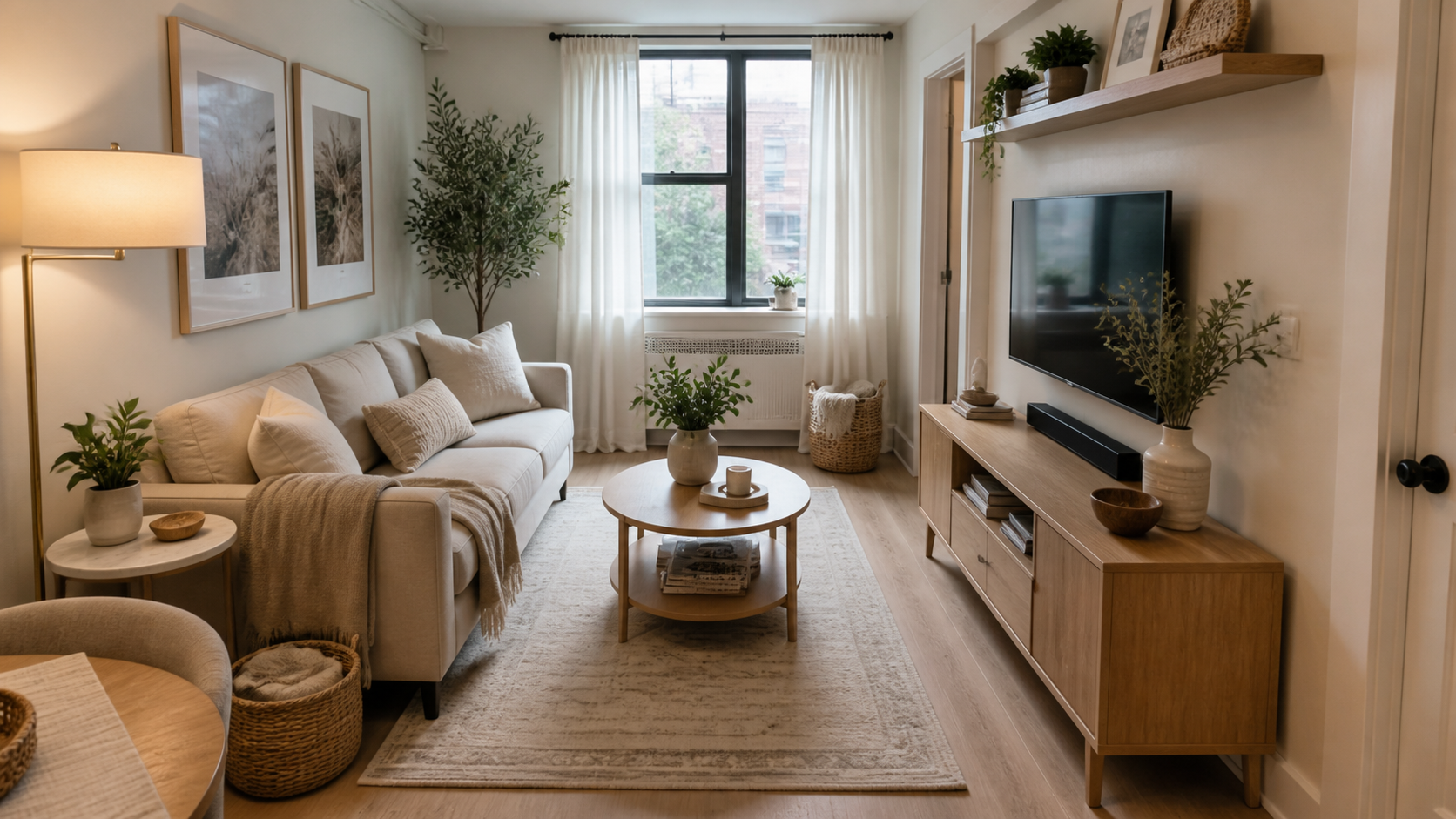
Start with space living room ideas
For a compact living room, start with the path people actually walk. If that path feels tight, the room will feel small no matter how nice the sofa or coffee table looks.
Most small living rooms feel crowded because too many pieces compete for the same floor area. When the sofa, rug, coffee table, media unit, storage, and lighting are planned as one system, the room starts to feel open even before you buy anything new.
Start with the walking path
The walking path is the hidden structure of a small living room. If someone has to turn sideways to pass the coffee table or step around a chair, the room will always feel smaller. Keep the main path clear from the door to the sofa, window, balcony, hallway, or dining area.
A small living room can feel bigger when the layout, storage, lighting, and furniture scale work together. The point is not to hide the fact that the room is compact. The point is to make every inch easier to use and calmer to look at. The same thinking runs through all small space home decor ideas: layout first, decor last.
A narrow room often works better with a slim sofa, round table, wall-mounted shelf, or compact media console. A square room may need the sofa pulled slightly away from the wall so the seating area feels intentional rather than pushed into the corners.
Choose furniture with lighter visual weight
Small space furniture does not always mean tiny furniture. It means furniture that feels visually lighter. Pieces with raised legs, open bases, rounded corners, slim arms, and simple silhouettes usually make the room feel more open.
Avoid filling the room with many small pieces. One good sofa, one flexible table, and one storage piece can look better than several tiny tables and chairs scattered around the space.

Better small living room furniture choices
Start with the basics: a sofa with slim arms and visible legs; a nesting coffee table or round table. Then look at the details that usually create pressure in a small room: a storage ottoman that can also work as seating, a wall-mounted shelf instead of a bulky cabinet, a narrow console behind or beside the sofa.
Use storage that disappears into the design
Storage should reduce clutter without becoming another heavy object. Baskets, ottomans, floating shelves, closed media cabinets, and slim sideboards work well because they hide daily objects while still supporting the decor.

Make the rug work harder
A rug that is too small can make the room feel broken into pieces. In many small living rooms, the rug should at least sit under the front legs of the sofa and connect to the main table. This gives the seating area one clear shape.
Choose a rug with a low-contrast pattern or soft texture if the room already has many objects. Strong patterns can work, but they need a calmer sofa and fewer accessories.
Use mirrors and lighting for depth
A mirror can help bounce light, especially when it reflects a window, lamp, or open part of the room. Lighting is just as important. A floor lamp in a dark corner, a table lamp beside the sofa, and warm accent light can make the space feel deeper at night.
Avoid relying on one ceiling light. It flattens the room and makes corners feel harsh.
Keep decor edited but warm
A small living room still needs personality. Use a few strong details: pillows with texture, one tray, a plant, one large artwork, or a soft throw. Keep surfaces partly open so the room feels livable.

What to check before calling it finished
Start with the basics: protect one clear walking path; use visually light furniture. Then look at the details that usually create pressure in a small room: choose storage that hides clutter, use a rug large enough to connect the seating, add warm lamps instead of only ceiling light, decorate with fewer but better details.
Questions people usually ask in small rooms
What color makes a small living room feel bigger
Warm white, soft beige, pale greige, muted sage, and light taupe can all help a small living room feel bigger when paired with good lighting and enough texture.
Should a small living room have a sectional
A sectional can work if it fits the traffic flow. Choose one with slim arms, and avoid blocking windows, doors, or the main path through the room.
Small living room layout examples
A compact rectangular living room usually works best with the sofa on the longest wall, a slim media unit opposite it, and a round or nesting table in the middle. This keeps the walkway simple and prevents the seating area from feeling like an obstacle course.
A square small living room can work better with the sofa slightly floated, especially if there is a window or balcony door. Floating one piece can create a more intentional seating zone and make the corners useful for plants, lamps, or shelves.
Apartment living room with tv wall
If the TV is the main focal point, keep the console shallow and avoid oversized side storage. Use the wall above or beside the TV for vertical storage only if it stays visually calm.
Apartment living room without tv
If there is no TV, anchor the room with art, a mirror, or a reading corner. This can make a small room feel more personal and less dominated by technology.
Mistakes that make a small living room feel smaller
The most common mistake is choosing a coffee table that is too large for the walkway. The second is using too many small decor pieces instead of a few larger, calmer pieces. The third is ignoring lighting, which makes corners look dark and tight.
Start with the basics: do not block the window with bulky furniture; do not use a rug that floats like a small island. Then look at the details that usually create pressure in a small room: do not fill every wall with shelves, do not choose side tables that crowd the sofa, do not keep furniture that only looks nice but does not serve the room.
A one hour small living room reset
Start by removing everything from the coffee table and floor that does not belong. Pull the rug into alignment with the sofa. Test whether the main walkway is clear. Move one lamp to the darkest corner. Then return only the decor pieces that support the color palette.
This quick reset helps you see what the room actually needs. Often the answer is not more decor but better spacing, one stronger storage piece, or warmer light.
Final styling rule
In a small living room, every visible object should earn its place. It should add comfort, storage, light, scale, texture, or personality. When an item does none of those jobs, the room usually feels better without it.
A practical buying order for a small living room
If you are improving the room over time, start with the layout before buying decor. First confirm the sofa position, walking path, and rug size. Then choose the storage piece that solves the biggest clutter problem. After that, add lighting. Pillows, plants, trays, and wall decor should come last.
This order protects the budget because the expensive pieces support the way the room actually works. It also prevents the common mistake of buying accessories for a layout that still feels wrong.
How to keep the room flexible
Small living rooms often need to change between relaxing, hosting, working, and watching TV. Use pieces that can move easily: nesting tables, lightweight chairs, storage ottomans, and baskets. A flexible room feels bigger because it can adapt instead of staying locked into one arrangement.
Related guides
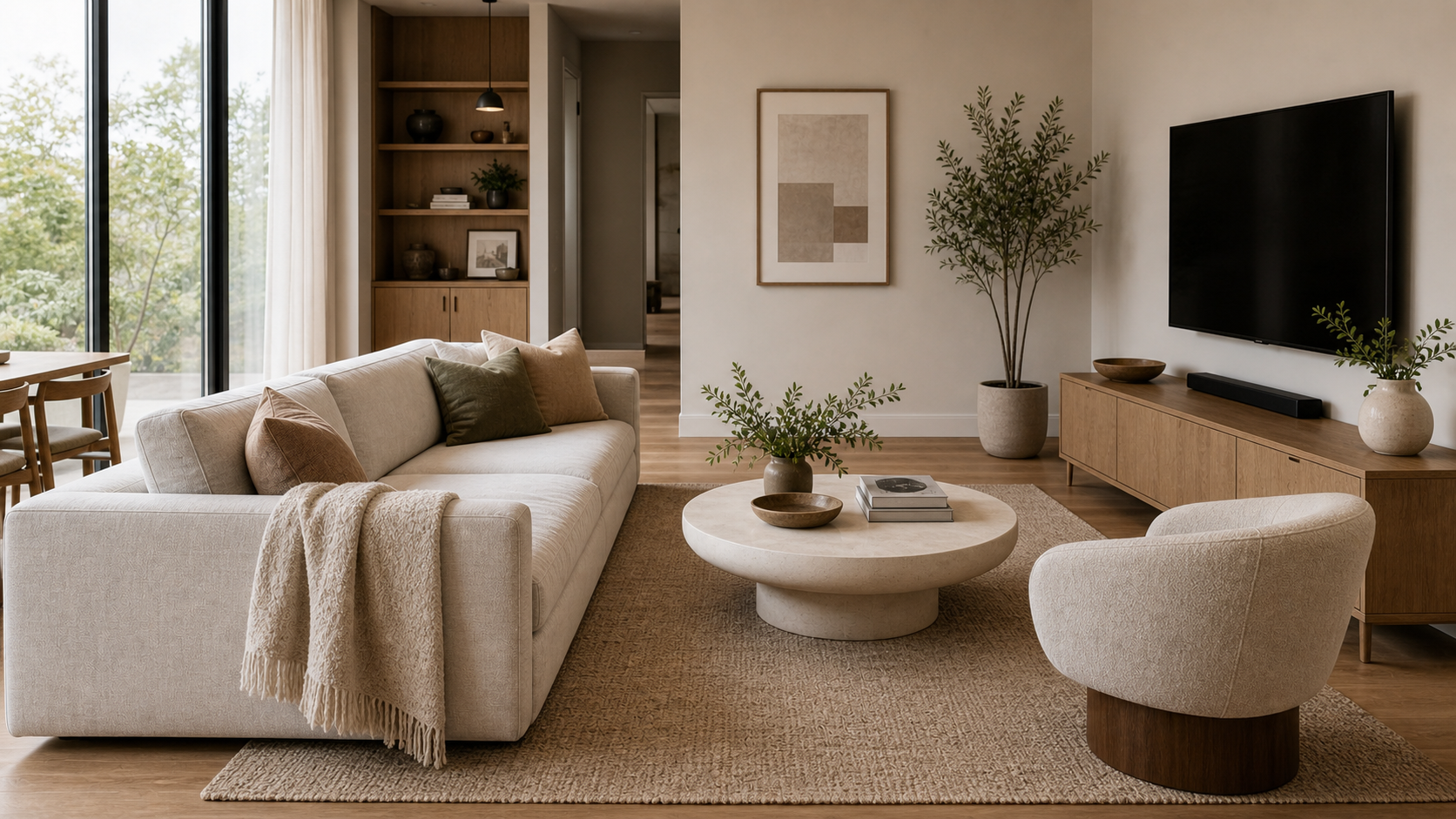
Room Decor Ideas
Modern living room decorating ideas: a step-by-step decorating order
Modern living room decorating ideas in a clear order: how the room works, focal point, paint color, big pieces, rug, lighting, and a budget plan.
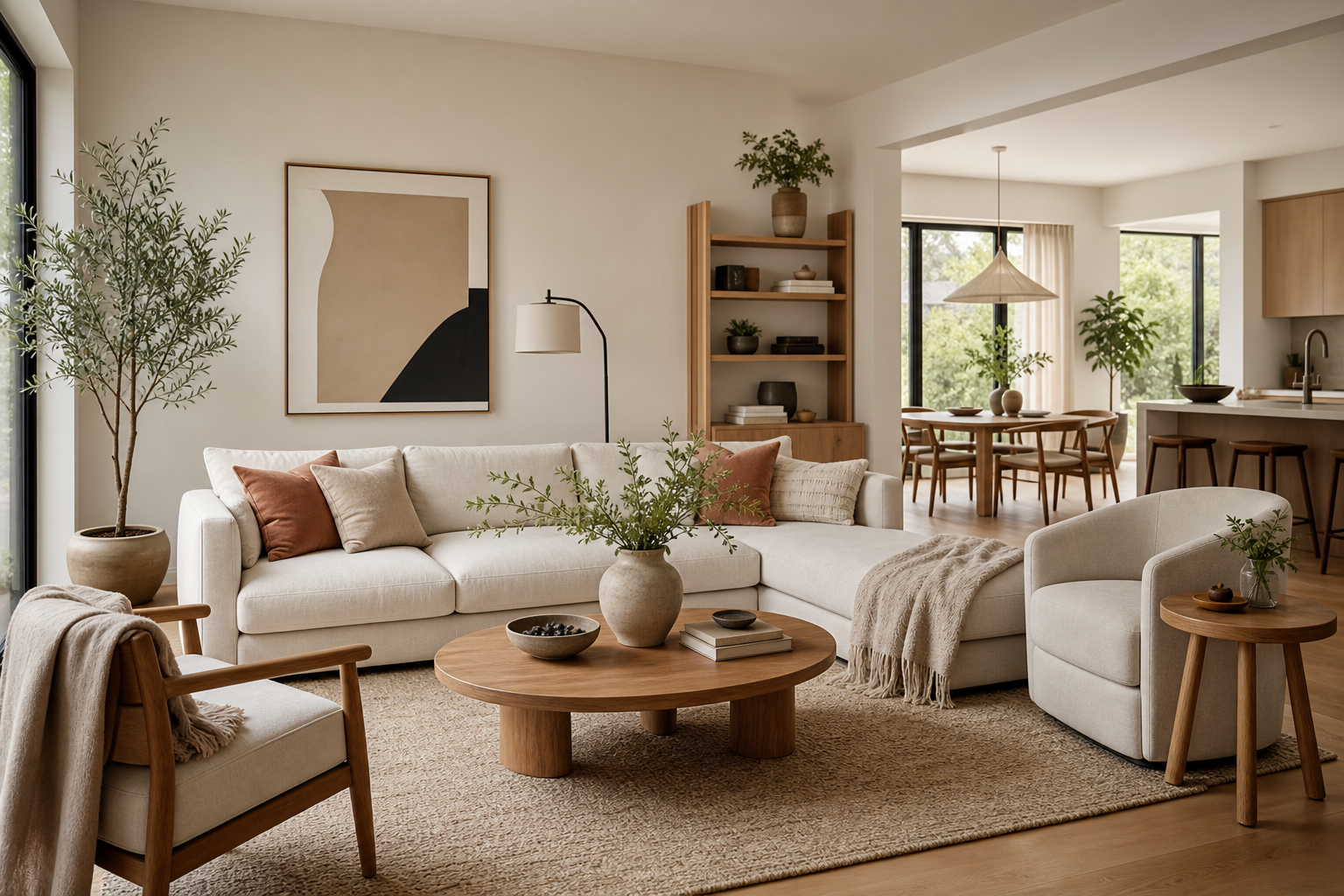
Room Decor Ideas
Modern Living Room Ideas Practical Guide for a Stylish Home
A practical guide to modern living room ideas, covering layout, furniture, color, lighting, texture, storage, and everyday comfort.
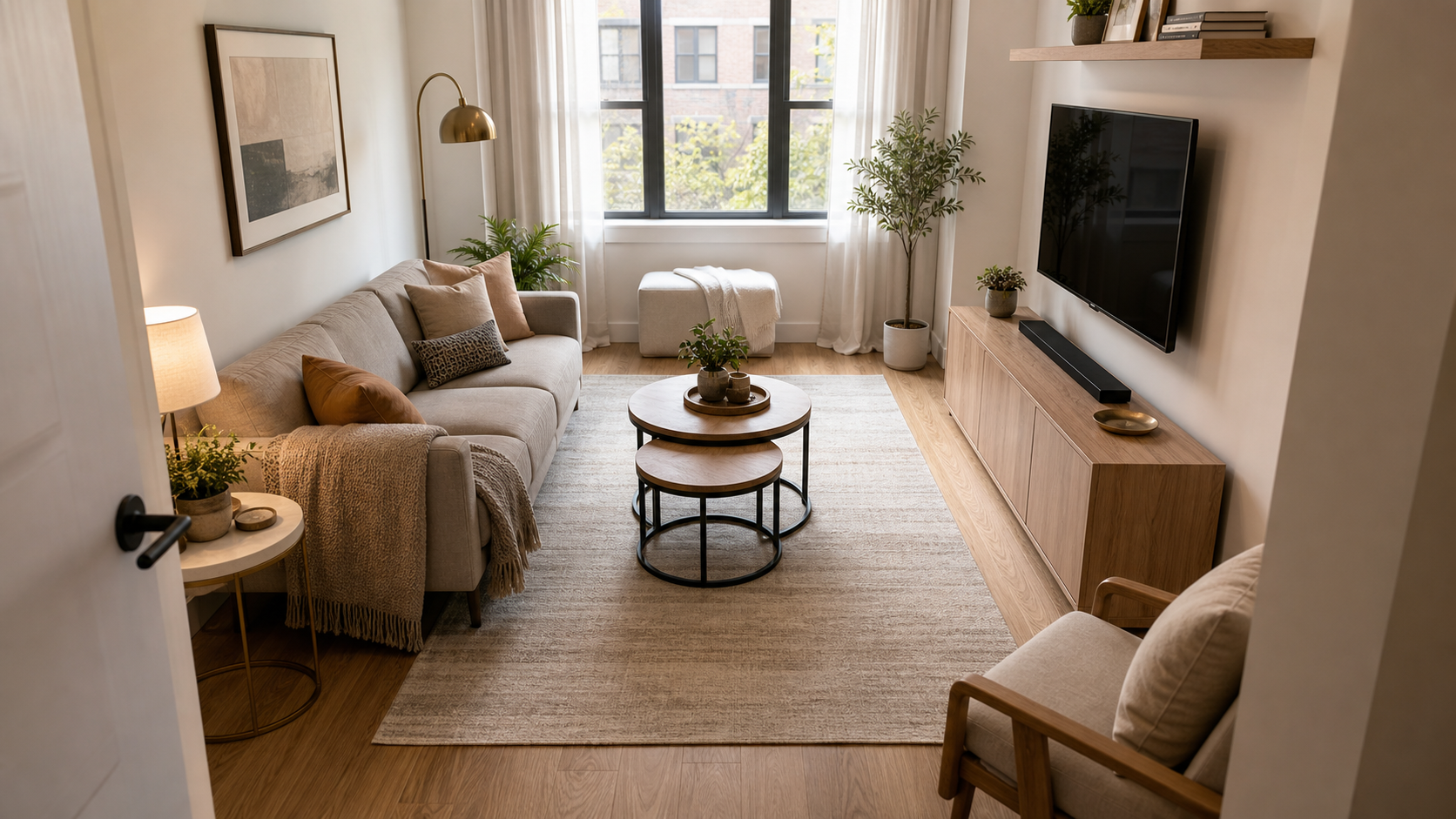
Small Spaces
Multifunctional furniture ideas for small homes
Choose multifunctional furniture for small homes from storage ottomans and sleeper sofas to nesting tables and foldable desks