
Small Spaces
Multifunctional furniture ideas for small homes
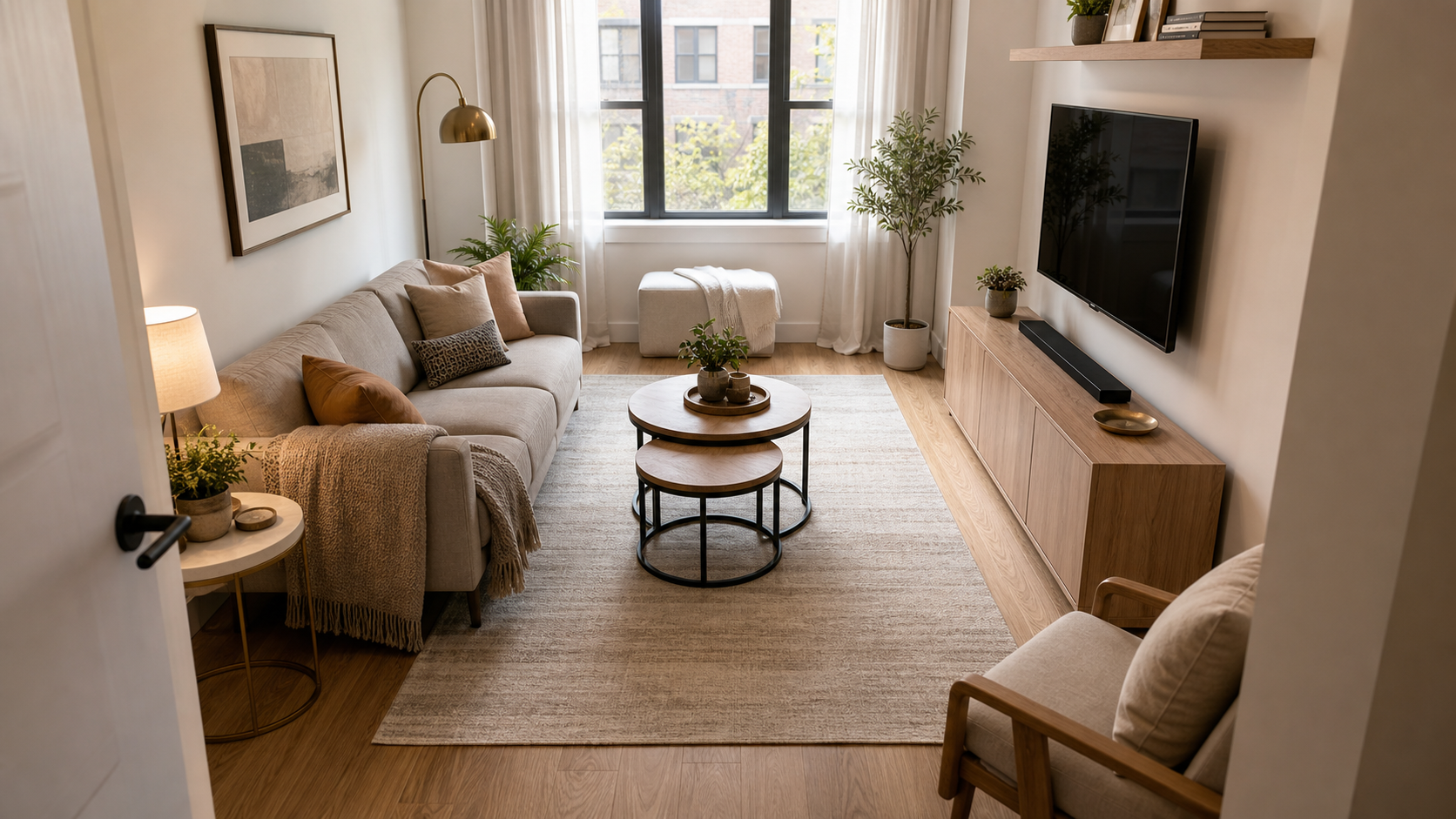
Start with multifunctional furniture ideas
Small rooms punish furniture that only looks clever online. A flexible piece has to be easy to open, easy to move around, and useful on an ordinary day.
What matters most is choosing furniture that solves a real problem. Not every convertible piece is useful. Some are awkward, heavy, or uncomfortable. Good multifunctional furniture should be easy to use, visually calm, and proportionate to the room.

Start with the problem you need to solve
Before buying, decide what the room lacks: seating, sleeping space, storage, work surface, dining area, or flexibility. A storage ottoman is useful if blankets and remotes need a home. A sleeper sofa is useful if guests stay often. A wall desk is useful if work equipment appears on the dining table.
Multifunctional furniture is one of the strongest tools for small homes. The right piece can save space, hide clutter, create flexibility, and make a compact room feel more complete. It works best as part of a wider plan for small space home decor ideas, where the layout and storage come first.
When the problem is clear, the furniture choice becomes much easier.
Choose pieces that are easy to change
Multifunctional furniture should not feel like a puzzle every day. If a table, bed, or sofa takes too much effort to convert, you may stop using the feature. Test how the piece opens, folds, lifts, or moves before relying on it.
The best small space pieces shift quickly and quietly.

Best multifunctional furniture ideas
Start with the basics: storage ottoman for blankets, remotes, and extra seating; sleeper sofa for guest sleeping space. Then look at the details that usually create pressure in a small room: nesting tables for flexible surfaces, lift-top coffee table for work and storage, drop-leaf dining table for compact eating areas, wall-mounted desk for work zones, bench with hidden shoe storage for entries.
Watch the scale
A multifunctional piece can still be too large. Measure the room in both normal and open positions. A sleeper sofa needs space to pull out. A drop-leaf table needs chair clearance. A storage bed needs drawer clearance.
Small homes need furniture that works when closed and when in use.

Use furniture to create zones
In compact homes and studios, furniture can divide space without walls. A sofa can separate living and sleeping zones. A shelf can mark a work corner. A dining table can create a visual pause between kitchen and living area.
Keep the style cohesive
Because multifunctional furniture is practical, it can sometimes look too technical. Choose finishes that match the rest of the room: warm wood, soft upholstery, simple metal, or neutral colors. The piece should look like part of the decor, not emergency storage.
What to check before calling it finished
Start with the basics: choose based on a real daily problem; measure open and closed positions. Then look at the details that usually create pressure in a small room: avoid pieces that are hard to convert, use furniture to create zones, match finishes to the room style, prioritize comfort and durability, keep the layout easy to move through.
Questions people usually ask in small rooms
What is the best multifunctional piece for a small living room
A storage ottoman or lift-top coffee table is often the easiest first upgrade because it adds function without changing the whole layout.
Is a sleeper sofa worth it in a small apartment
Yes, if guests stay often and the sofa is comfortable in both modes. Measure carefully before buying.
How to choose multifunctional furniture well
The best multifunctional furniture solves one clear problem and still looks good when it is not being converted. A lift-top table should look like a table when closed. A sleeper sofa should sit comfortably as a sofa. A storage bench should not look like a plastic bin in disguise.
Quality matters because these pieces move, open, fold, or carry extra weight. Cheap mechanisms can become annoying quickly in daily life.
Best rooms for multifunctional pieces
Living room
Use storage ottomans, nesting tables, sleeper sofas, lift-top coffee tables, or slim consoles. These pieces support guests, storage, and daily relaxation.
Bedroom
Use a storage bed, wall-mounted nightstands, tall dressers, and foldable desks. The bedroom needs calm, so avoid pieces that make the room feel like a storage unit.
Entryway
A bench with shoe storage or a narrow cabinet with a tray top can make the entry more useful without adding several separate pieces.
Measurements you should take first
Measure the room, the walking path, and the furniture in both closed and open positions. A drop-leaf table needs chair clearance. A sleeper sofa needs pull-out space. A storage bed needs drawer clearance. A wall desk needs enough room for a chair.
Write these measurements down before shopping. Small homes punish guesswork.
What to avoid
Start with the basics: convertible furniture that is difficult to open; pieces that are too heavy to move. Then look at the details that usually create pressure in a small room: storage furniture with weak hinges, sleeper sofas with uncomfortable mattresses, tables that expand but block all circulation, furniture that solves rare problems while hurting daily comfort.
How to keep the room stylish
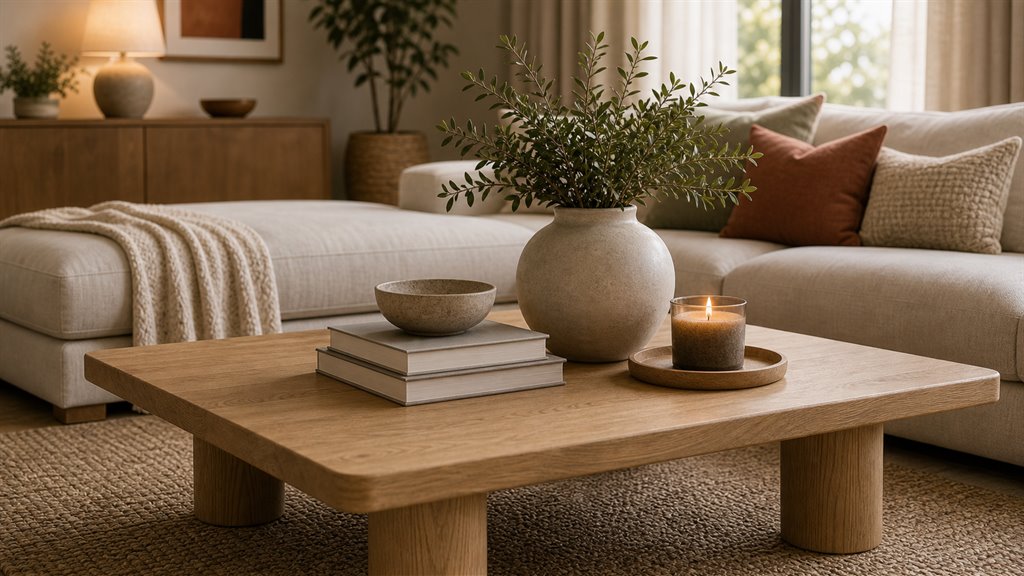
Multifunctional furniture can look calm when finishes repeat. Choose wood tones, fabrics, and metal finishes that already exist in the room. Then style the piece lightly with a tray, lamp, book, or textile so it feels like decor.
Avoid making every item in the room convertible. One or two strong multifunctional pieces are usually enough.
Questions people usually ask in small rooms
Are storage beds good for small spaces
Yes, especially when closet space is limited. They work best for seasonal items, extra bedding, or clothing that does not need daily access.
Are nesting tables better than one coffee table
In very small rooms, nesting tables can be better because they expand when needed and tuck away when not in use.
How to test multifunctional furniture before committing
Imagine the piece on your busiest day, not just your cleanest day. Can you open it while other furniture is in place? Can you move around it when guests are sitting? Can you access storage without removing half the room? If the answer is no, the piece may create more frustration than function.
Also check weight. Furniture that is technically foldable but too heavy to move will not be used often.
When simple furniture is better
Not every small home needs convertible furniture. Sometimes a simple, well-scaled table or sofa is better than a complicated piece with features you rarely use. Choose multifunction only when the second function solves a real problem.
Long term small home furniture strategy
Build the room around flexible anchors: a comfortable sofa, a table that fits the space, one strong storage piece, and lighting that supports multiple activities. Then add smaller flexible pieces like nesting tables, stools, or ottomans. This creates a room that can change without feeling temporary.
Multifunctional furniture for different budgets
On a small budget, start with pieces that add flexibility without replacing major furniture: nesting tables, storage baskets, a rolling cart, a foldable desk, or a storage ottoman. These can improve the room quickly and move easily if your layout changes.
On a larger budget, invest in the pieces that affect daily comfort most: a quality sleeper sofa, a storage bed, a lift-top coffee table with strong hardware, or a well-made extendable dining table. Spend more where the mechanism and comfort matter.
How to keep multifunctional pieces from looking temporary
Choose calm materials, repeat the room palette, and style the piece like normal furniture. A storage ottoman can hold a tray and books. A sleeper sofa can still have good pillows and lighting. A folding desk can sit near art and a proper chair. The piece should feel permanent even if it is flexible.
Related guides

Decor Accents
Modern neutral accent decor for living rooms effortless elegance and timeless style
Modern neutral accent decor for living rooms with warm colors texture lighting coffee table styling and practical decor ideas

Styles
Scandinavian open plan interior design for a calm bright home
Create a calm Scandinavian open plan interior with light colors natural materials clear zones practical storage and warm layered lighting
Small Spaces
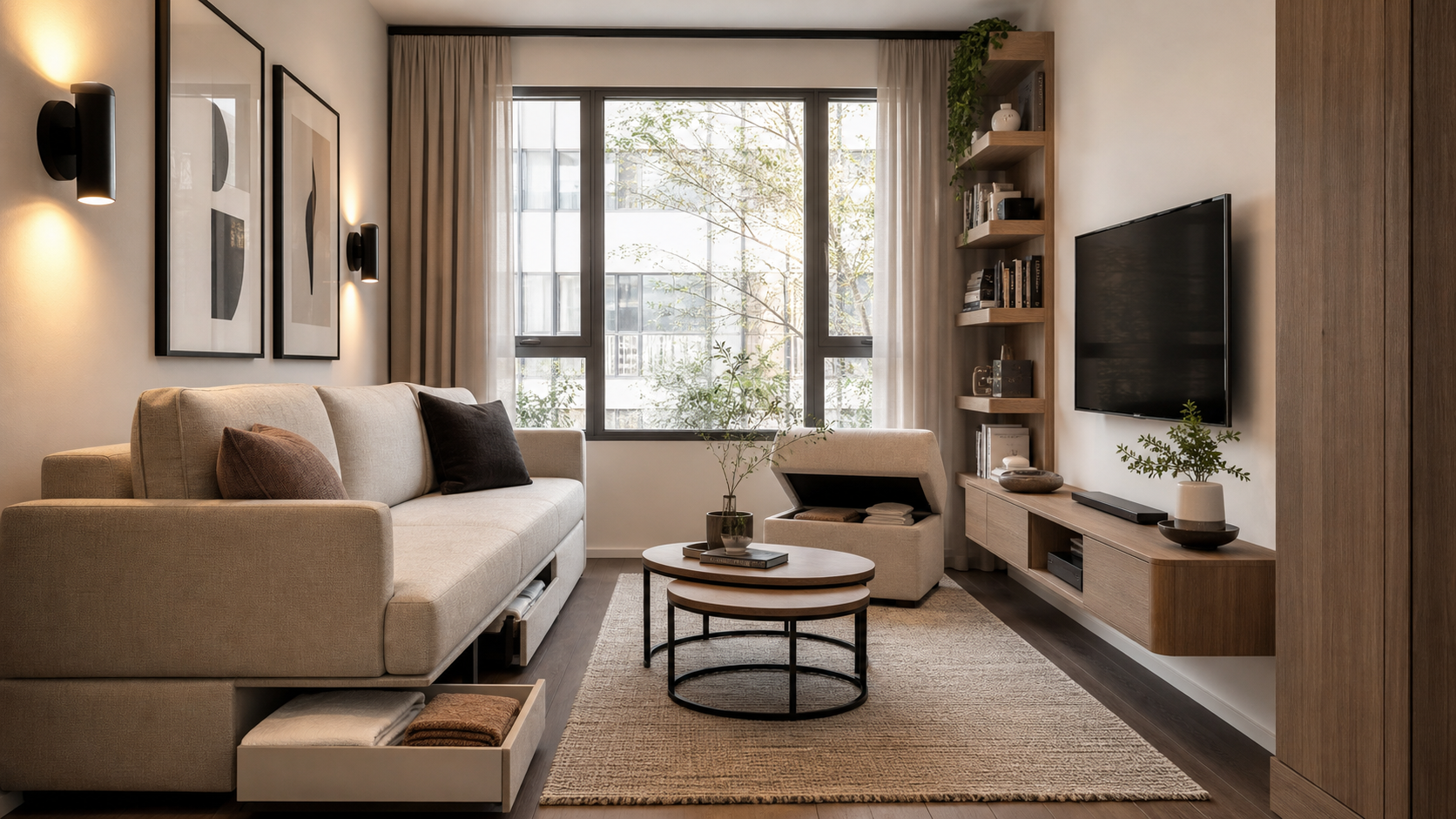
Small apartment storage ideas for every room
Use small apartment storage ideas for living rooms bedrooms entries kitchens and bathrooms without making the home feel crowded