
Small Spaces
Small balcony garden ideas for apartments
Start with the balcony you really have
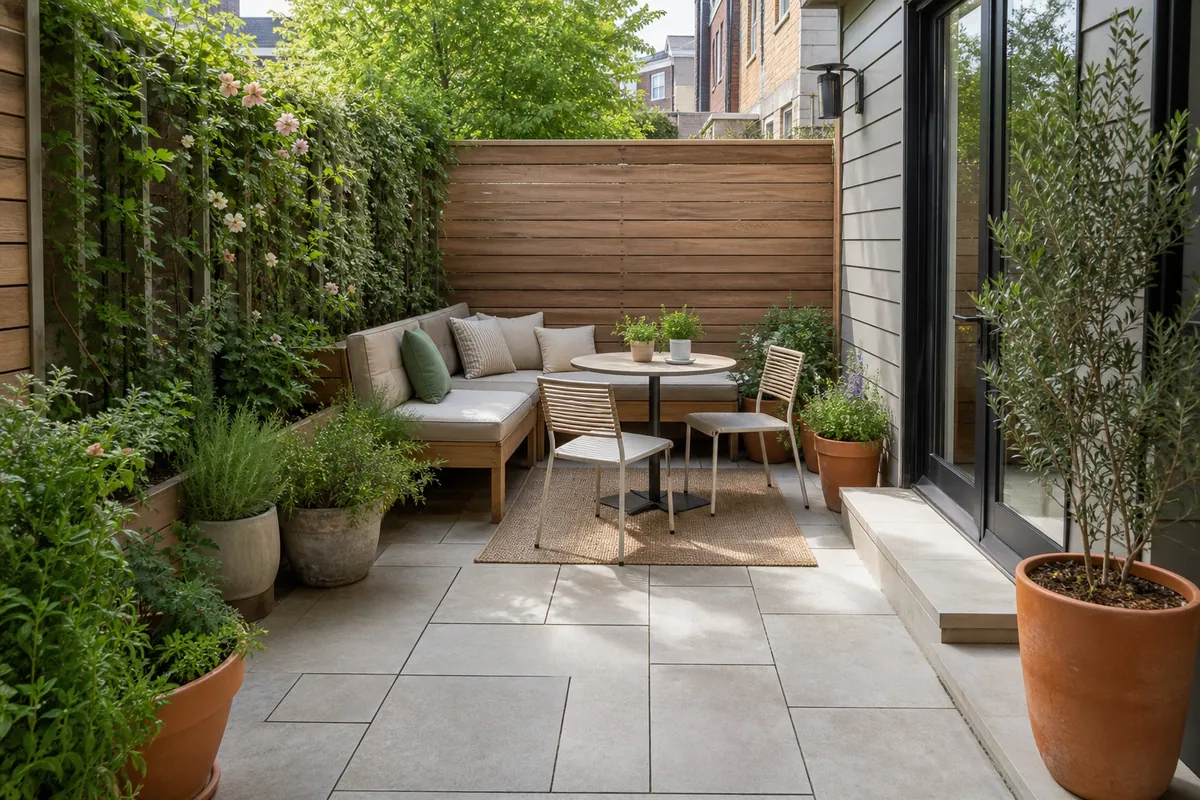
Small balcony garden ideas work best when they begin with the actual floor area, light, and building rules. Measure the balcony before buying planters. Mark the door swing, railing, drains, and the path to the seating area.
Notice how much direct sun reaches the balcony during the morning and afternoon. Check whether wind moves through the space. These details will guide plant choice and container placement.
The goal is a balcony that supports a simple routine. It should have room to water plants, wipe surfaces, and sit without moving every container first.
Choose vertical garden ideas first
Vertical planters make use of wall and railing space while keeping more floor area open. A narrow shelf can hold small herbs. A wall mounted planter can soften a blank surface. A tall unit can add privacy when it is stable and allowed by the building.
Keep heavy containers low. Use lighter pots on upper shelves. Secure tall units so wind cannot make them unstable. Leave enough space between plants for air and easy care.
Use containers that make care simple
Choose pots with drainage holes and use trays carefully. Standing water can damage surfaces and create problems for the plants. Lightweight containers are easier to move when the balcony needs cleaning.
Group plants with similar light and watering needs. This prevents one plant from staying wet while another dries out. Use a simple watering can and keep it near the garden if building rules allow.
Container color can stay quiet. Warm clay, muted gray, dark green, and natural wood tones work well with most apartment exteriors.
Make one place to sit
A small balcony feels more useful when it has one clear seat. A folding chair can be stored when the space is needed for plant care. A narrow bench can provide seating and hold a small cushion.
Keep the seat away from the door swing. Leave a direct route from the door to the railing or the main garden area. One comfortable chair is often more useful than several small pieces that make the floor hard to read.
Layer greenery without making clutter
Use a mix of heights instead of filling every surface. One taller plant can anchor a corner. Medium containers can soften the railing. Small herbs can stay close to the kitchen door.
Repeat a container finish so the garden feels ordered. Avoid placing many unrelated pots in a narrow row. Empty floor space helps the balcony feel larger and makes watering easier.
Add soft lighting for evening use
Balcony lighting should improve comfort without disturbing neighbors. A low warm light near the seating area can make the space usable after sunset. Small protected lights can outline the railing or a plant shelf.
Avoid bright exposed bulbs that create glare. Keep cords secured and follow building rules. Solar lights can work when the balcony receives enough sun. Battery lights can be useful when direct sunlight is limited.
Grow useful plants in small spaces
Herbs are a practical starting point. Rosemary, thyme, sage, parsley, chives, and mint can work in containers when light and watering match the plant needs.
Leafy greens can grow in a shallow planter. Compact peppers, tomatoes, and strawberries need more sun and may require larger containers. Choose plants that fit the season and the time available for care.
Keep the balcony clean and practical
Create a place for a watering can, gloves, plant food, and a cloth. Keep soil bags and extra pots inside when possible. Store only what the balcony needs.
A clear floor makes the balcony feel larger. It also makes it easier to inspect drains and clean after watering. Avoid letting leaves and soil collect near the door track.
Small balcony garden checklist
- Measure the floor area and door swing.
- Check morning and afternoon light.
- Check wind and building rules.
- Choose containers with drainage.
- Group plants by care needs.
- Keep one clear seat.
- Leave a route for daily movement.
- Keep tools close but contained.
Choose plants that match the light
South and west facing balconies often receive stronger sun. East facing balconies may offer softer morning light. North facing balconies may need shade tolerant plants or a smaller plant selection.
Watch the light for several days before buying a full set of plants. The conditions can change with nearby buildings and seasonal sun.
Use privacy without closing the balcony
Plants can soften a railing without blocking every view. Use a few taller containers near the area that needs privacy. Keep the corner light enough for the plants and open enough for air movement.
Avoid dense screens that make the balcony dark. A trellis with a suitable climbing plant can offer texture while keeping the space breathable.
Plan storage before buying more decor
Small balconies collect pots, soil, tools, cushions, and watering supplies. A narrow weather safe box can hold small items. A shelf can keep supplies off the floor.
Do not buy storage that blocks the door or hides the drain. Keep the storage piece easy to open and simple to clean. The same clear-floor rule sits at the heart of most small space home decor ideas indoors too.
Build the garden slowly
A small balcony garden grows better when it is built in stages. Start with the layout, then add planters, then add seating, then add lighting. After two weeks, you will know what feels useful and what feels crowded.
Plants need attention, and every new container adds watering, cleaning, and pruning. Five healthy plants often look better than twenty tired plants. Choose quality placement and easy care before quantity.
Related guides
Small Spaces
Multifunctional furniture ideas for small homes
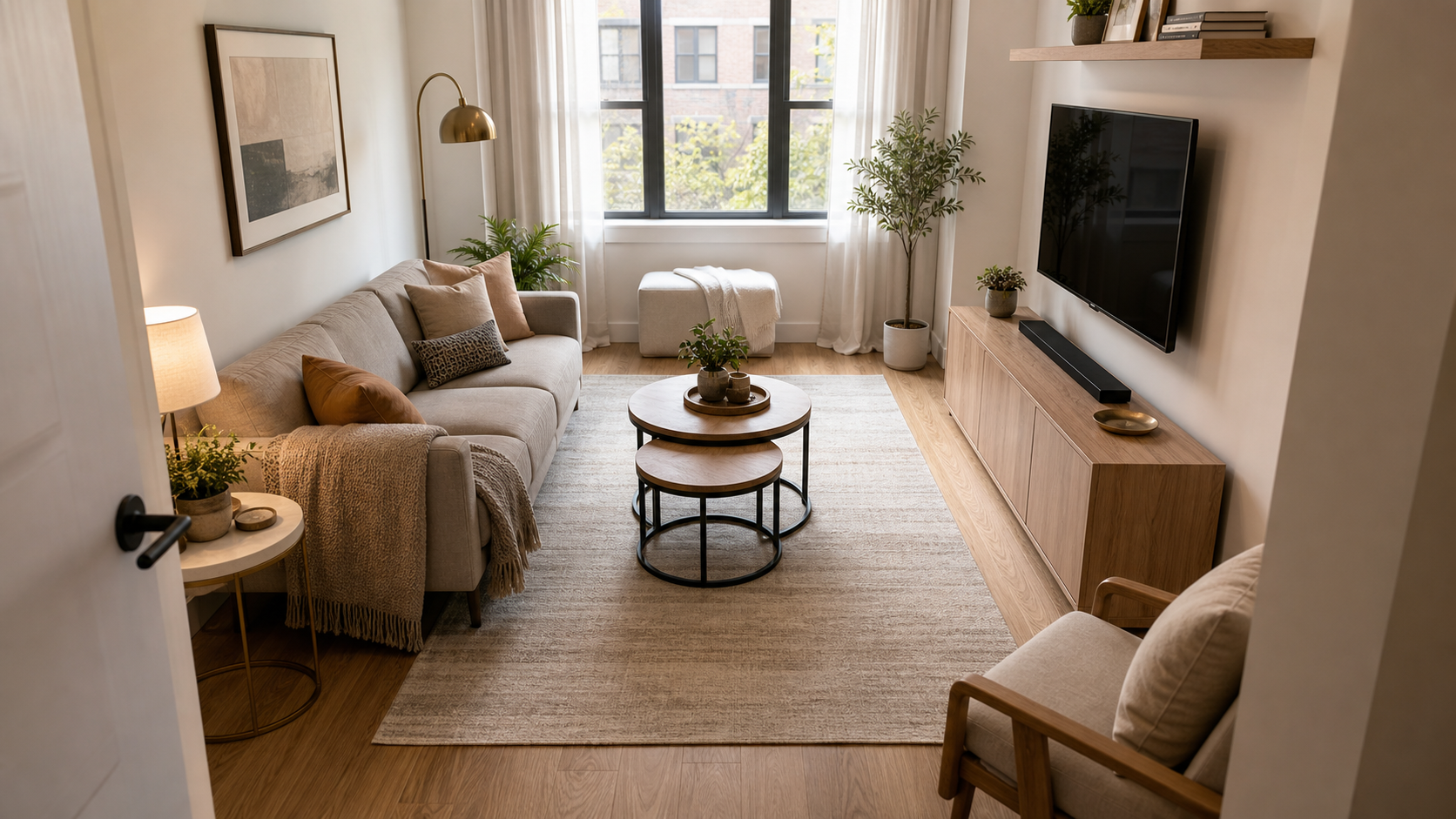
Choose multifunctional furniture for small homes from storage ottomans and sleeper sofas to nesting tables and foldable desks
Small Spaces
Small apartment storage ideas for every room
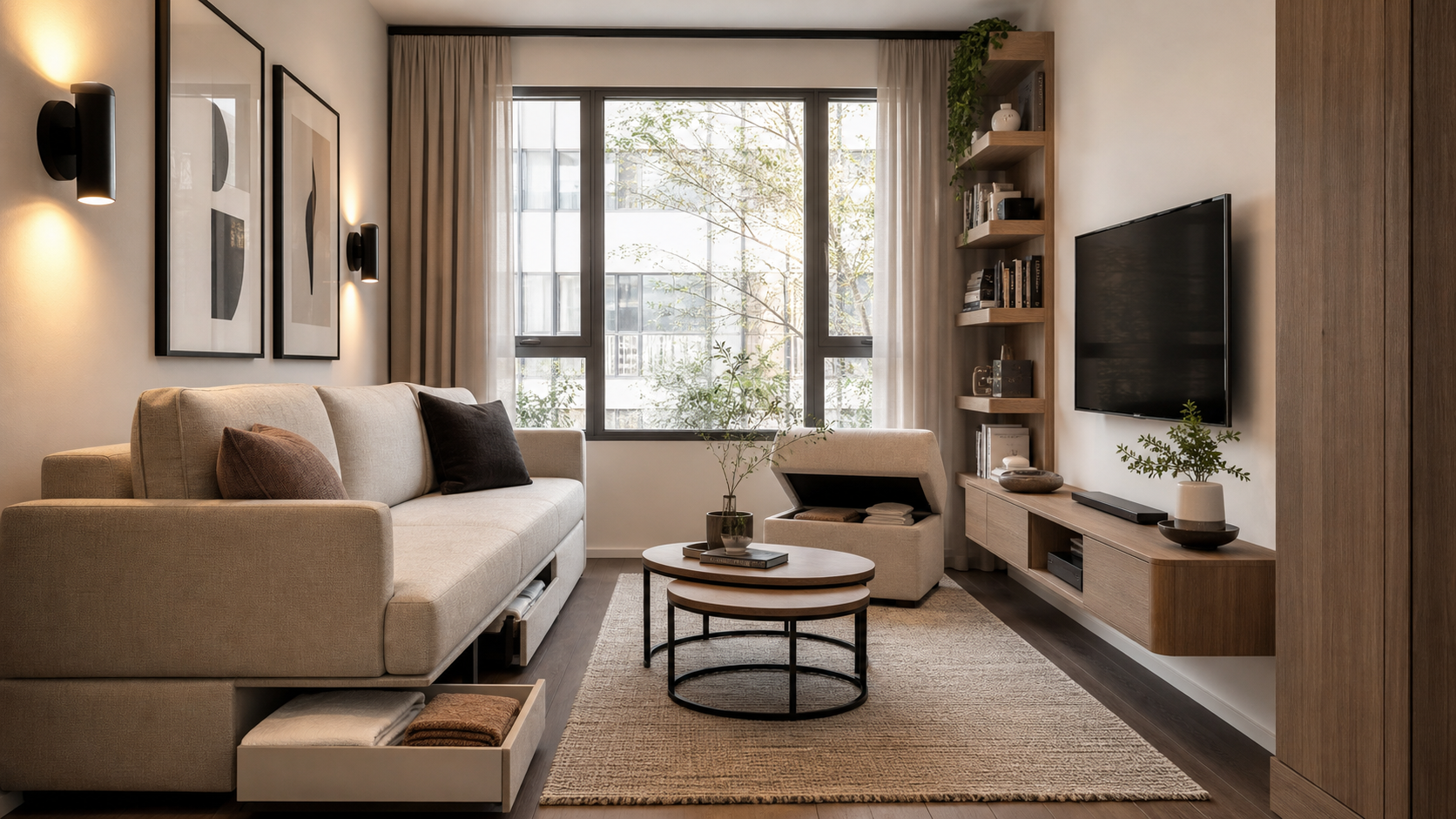
Use small apartment storage ideas for living rooms bedrooms entries kitchens and bathrooms without making the home feel crowded

Small Spaces
Small bedroom ideas that make a room look bigger
Create a bigger feeling small bedroom with smart layout storage color lighting bedding mirrors and edited decor