
Small Spaces
Small bedroom ideas that make a room look bigger

Start with bedroom ideas
A small bedroom should feel easy at night and easy in the morning. That means fewer things on show, softer light, and furniture that leaves the bed feeling calm instead of squeezed.
The bedroom is one of the easiest small rooms to overwhelm because the bed takes most of the floor. When the bed, nightstands, storage, curtains, color, and lighting are planned together, even a tiny bedroom can feel comfortable and grown up.
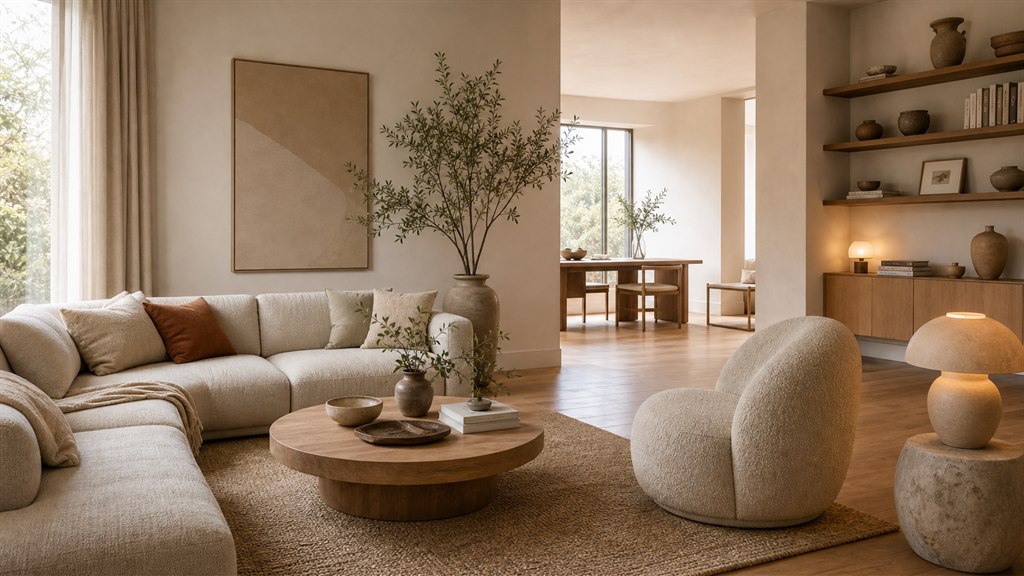
Place the bed with breathing room
The bed should feel anchored, but it should not block every path. If possible, leave walking space on both sides. If the room is very narrow, placing one side against the wall may be necessary, but keep the foot of the bed open and avoid heavy furniture opposite it.
Small bedroom ideas should make the room feel calmer, lighter, and easier to use. A compact bedroom does not need more decoration first. It needs better bed placement, smarter storage, softer lighting, and fewer visual interruptions. The same order, layout first and decor last, runs through all small space home decor ideas.
A simple headboard or wall-mounted headboard can define the bed without taking much space. Avoid oversized bed frames with bulky sides in very small rooms.
Use a calm color palette
Light colors can help a small bedroom feel bigger, but warmth matters. Warm white, soft beige, pale gray, oatmeal, muted sage, and dusty blue can all work. The palette should feel quiet enough for sleep but not so flat that the room feels unfinished.
Repeat the main color through bedding, curtains, rug, or art so the room feels connected.
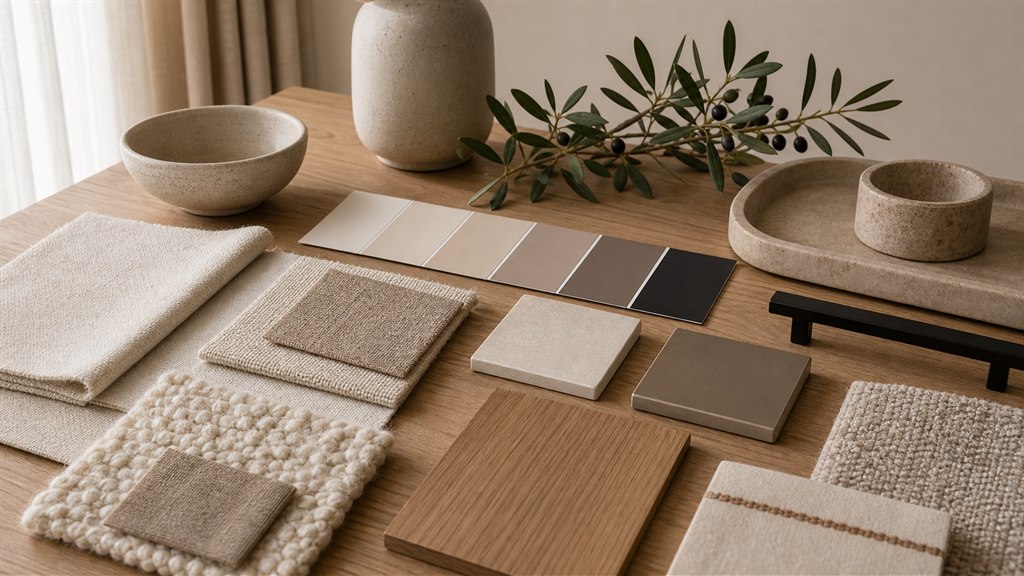
Choose storage that reduces visual noise
Closed storage is usually best in a small bedroom. Drawers, lidded baskets, under-bed storage, and closets with organizers help the room stay calm. Open clothing racks can work, but only if they are highly edited.
Nightstands with drawers often work better than open tables because they hide small objects like chargers, glasses, medication, and notebooks.
Small bedroom storage priorities
Start with the basics: under-bed storage for seasonal items, nightstands with drawers. Then look at the details that usually create pressure in a small room: hooks behind doors, slim dresser or tall chest, closet dividers and matching hangers.
Make lighting soft and useful
A small bedroom needs layered light. Use a ceiling light for general brightness, then add bedside lamps or wall sconces for evening. Wall-mounted sconces can save surface space on small nightstands.
Warm bulbs make the room feel more restful. Avoid harsh cool lighting unless it is needed for a specific task.
Use mirrors carefully
A mirror can make a bedroom feel larger when it reflects light or a clean part of the room. Avoid placing mirrors where they reflect clutter, a crowded closet, or a messy surface.
A tall mirror near the window or a mirrored closet door can add depth without adding floor clutter.
Keep bedding simple but layered
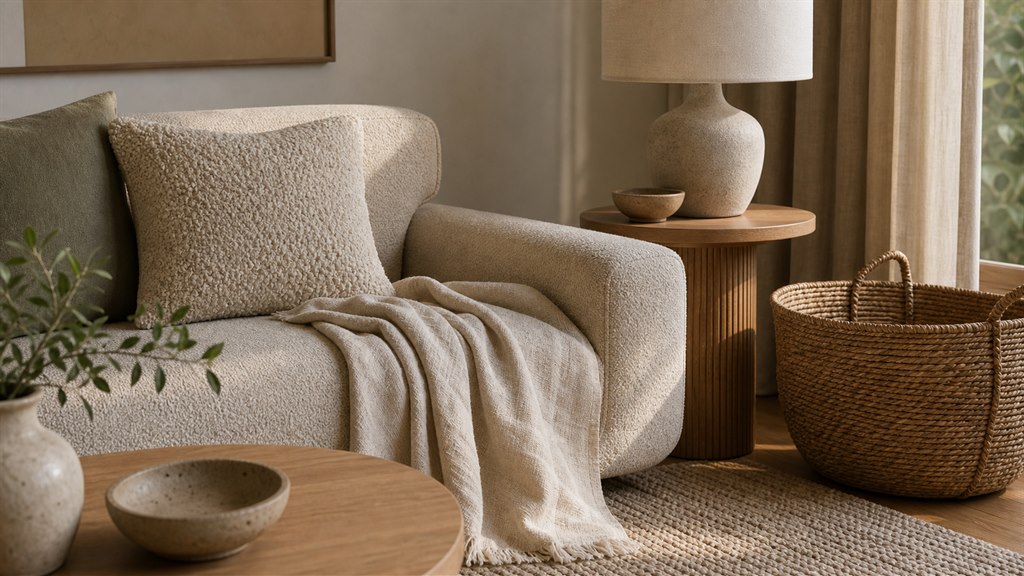
Bedding has a big visual effect in a small bedroom. Use simple layers: sheets, duvet or quilt, two sleeping pillows, one or two decorative pillows, and a throw if needed. Too many pillows can make the bed feel crowded.
Texture matters more than pattern. Linen, cotton, waffle weave, and soft knits add comfort without making the room feel busy.
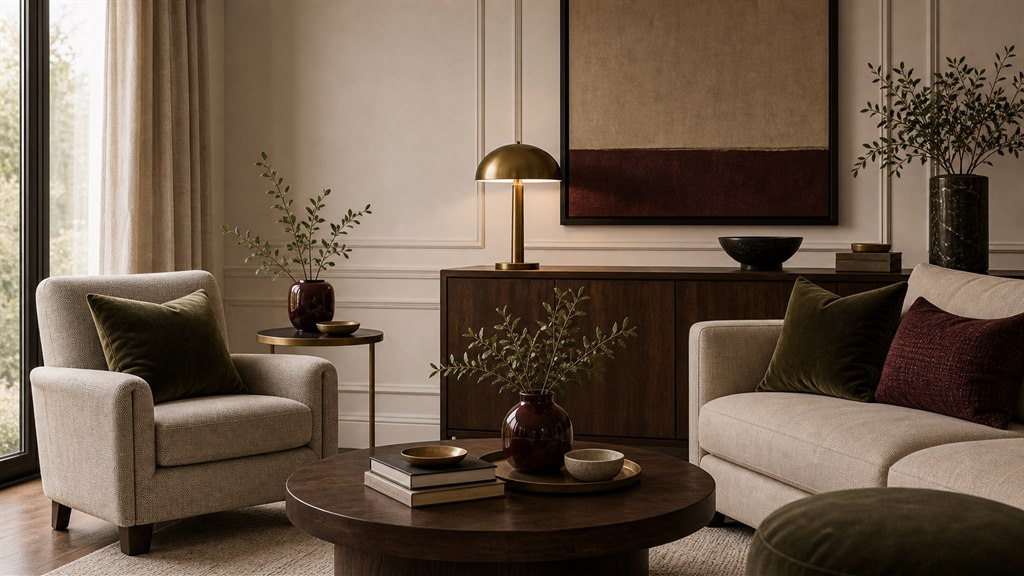
What to check before calling it finished
Start with the basics: leave breathing room around the bed where possible; use a warm light palette. Then look at the details that usually create pressure in a small room: choose closed storage, add bedside lighting, use mirrors to reflect light, keep bedding layered but edited, avoid oversized furniture.
Questions people usually ask in small rooms
What makes a small bedroom look bigger fastest
Clear floor space, lighter bedding, better lighting, and closed storage usually make the biggest immediate difference.
Should small bedrooms use dark colors
Dark colors can work if the room has good lighting and simple decor. For most compact bedrooms, soft warm colors are easier to manage.
Small bedroom layout examples
A narrow bedroom often works best with the bed along the longest wall and a slim nightstand on one side. If the bed must sit in a corner, make that choice feel intentional with a clean wall lamp, simple bedding, and one strong piece of art above the bed.
A square bedroom can usually handle the bed centered on the main wall. Keep the nightstands small, and choose a dresser that does not block the door swing or closet access.
How to make the ceiling feel higher
Hang curtains higher than the window frame, and let them reach close to the floor. Use vertical lines through curtains, tall mirrors, or slim lamps. Avoid heavy horizontal furniture that visually cuts the wall in half.
Low-profile beds can also help if the ceiling is low, but balance them with taller bedside lighting so the room does not feel flat.
Small bedroom storage without clutter
The best small bedroom storage is quiet. Use closed drawers, under-bed bins, bed skirts, closet organizers, and nightstands with hidden compartments. Try not to turn every wall into storage because the bedroom still needs to feel restful.
Start with the basics: store seasonal items under the bed; keep daily clothing easiest to reach. Then look at the details that usually create pressure in a small room: use hooks for robes or bags, choose a tall dresser when floor space is limited, use drawer dividers for small items.
Bedding choices that open the room
Choose bedding with a controlled palette. A duvet, quilt, or coverlet in a light warm tone can make the bed feel larger but calmer. Use pattern carefully: one subtle stripe, texture, or small print is usually enough.
Avoid too many decorative pillows. They can make the bed look crowded and create extra work every morning.
Small bedroom decor mistakes
The biggest mistake is using oversized furniture because it looked beautiful online. Measure the room before choosing a bed frame, dresser, bench, or chair. Another mistake is using only one ceiling light, which makes the room feel harsh and unfinished.
Finally, avoid cluttered nightstands. They are small, but they sit near the face and affect how calm the room feels at night.
Questions people usually ask in small rooms
Is a rug useful in a small bedroom
Yes. A rug can soften the room and make it feel more finished. Choose one large enough to extend beyond the bed, or use runners on the sides if space is tight.
Can a small bedroom have dark furniture
Yes, but balance it with lighter walls, bedding, curtains, and good lighting. Dark furniture works best when the rest of the room has breathing room.
A small bedroom morning and night routine
Small bedrooms stay calmer when the routine is simple. In the morning, make the bed, clear the nightstand, and return clothing to its place. At night, use warm bedside light, keep the floor clear, and place tomorrow's essentials in one small zone.
The room will feel bigger when it is easy to reset. This is why closed storage, fewer pillows, and simple bedding matter so much in compact bedrooms.
How to add personality without clutter
Choose one personal focal point rather than many small objects. This could be a framed print above the bed, one sculptural lamp, a textile throw, or a small shelf with a few meaningful pieces. A small bedroom can still feel personal, but personality needs editing.
Repeat one color from that focal point in the bedding or rug so the room feels connected.
Best small bedroom upgrades to do first
Start with the basics: replace harsh bulbs with warm bedside lighting; use under-bed storage for seasonal items. Then look at the details that usually create pressure in a small room: simplify the bedding palette, add a mirror where it reflects light, choose a nightstand with closed storage.
Related guides

Room Decor Ideas
How to choose paint colors for your home: a whole-house plan
How to choose paint colors for your home in order: light, fixed finishes, one whole-house palette, 60-30-10, connecting rooms, sheen, and testing.
Small Spaces
Multifunctional furniture ideas for small homes
Choose multifunctional furniture for small homes from storage ottomans and sleeper sofas to nesting tables and foldable desks

Home Decor Trends
Neo deco interior design: worth trying, or a passing look?
Neo deco interior design, judged: what is changing, why curves and brass are back, how to try it cheaply, what may date, and a keep, try, or skip verdict.