
Styles
Timeless vs trendy home decor how to mix both without regret

Timeless and trendy decor work well together when permanent, expensive choices stay flexible and current details remain easy to change. This guide helps you decide what deserves a longer-term investment, where trends can add personality, and how to refresh a room without replacing everything when tastes shift.
Start with timeless vs trendy home decor
Timeless vs trendy home decor is not a choice between boring and exciting. A beautiful home needs both: timeless pieces that keep the room grounded and trendier accents that make it feel current. The problem starts when every decision follows a trend, or when the room becomes so safe that it loses personality.
This guide shows how to mix timeless and trendy home decor without regret. You will learn what should stay classic, where trends can be useful, how to use the 80/20 rule, and how to update a room without replacing everything every year.
What timeless home decor means
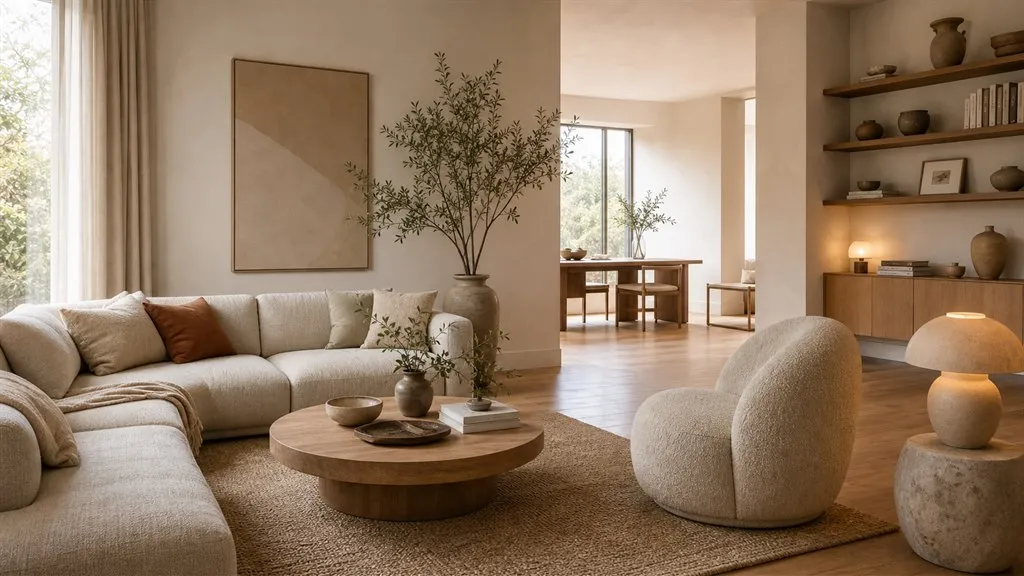
Timeless decor is built around pieces, materials, colors, and proportions that still look good after trends change. It does not mean old-fashioned. A timeless room can be modern, warm, minimal, rustic, or elegant. The important part is that the main choices are simple enough to adapt over time.
-
Comfortable furniture with good proportions.
-
Neutral or flexible base colors.
-
Natural materials like wood, linen, wool, stone, rattan, and ceramic.
-
Lighting that improves the room instead of following a short trend.
-
Rugs, curtains, and storage that support daily life.
What trendy home decor means
Trendy decor reflects what is popular right now: a color, shape, pattern, finish, material, or styling idea. Trends are not bad. They can make a home feel fresh and expressive. The risk is using trendy choices in expensive, difficult-to-change places.
A trend is safest when it is easy to move, replace, repaint, or restyle. Pillows, art, vases, throws, lampshades, small tables, bedding, and seasonal decor are better places for trends than a full kitchen, permanent flooring, or a very expensive sofa.
The 80/20 rule for home decor
Think in foundations and layers
The foundation includes the expensive or hard-to-change pieces. The layers include the items you can move, replace, or restyle easily. When the foundation is timeless, the layers can be more playful without making the whole room feel dated.
The easiest way to mix timeless and trendy decor is the 80/20 rule. Keep about 80 percent of the room timeless and about 20 percent trend-aware. You do not need to measure exactly. The idea is to keep the foundation stable and let the accents change.
What should be timeless
The more expensive or permanent an item is, the more timeless it should be. This includes sofas, flooring, large rugs, dining tables, beds, built-ins, cabinets, and major lighting. These pieces form the structure of the home.
-
Sofas and beds should fit your lifestyle before they follow a trend.
-
Large rugs should connect the room and work with several palettes.
-
Dining tables and storage pieces should have strong proportions.
-
Curtains should support the room quietly unless the room is intentionally bold.
-
Wall colors should be chosen with light and materials, not only trend lists.
Where trends work best
Trends work best in accents because accents are flexible. If a color becomes popular, try it through pillows, art, bedding, candles, ceramics, or a small painted object. If a shape becomes popular, try it with a mirror, lamp, side table, or vase.
This lets the home feel current without forcing you to replace major pieces later. The room gets energy, but the foundation stays calm.
How to know if a trend is worth using
Use trends to test your taste
A trend can be useful because it helps you notice what you are drawn to. If you keep liking the same color, shape, or material after a season passes, it may be more than a trend for you. That is when it can move from accent to a bigger design choice.
A trend is worth using if it fits your home, your lifestyle, and your existing palette. If it only looks good in one photo but fights everything you own, it will probably feel wrong quickly. A good trend should strengthen your style, not erase it.
Ask these questions first
-
Does it work with my existing colors?
-
Can I remove or change it easily later?
-
Does it make the room more comfortable or only more fashionable?
-
Would I still like it if it were not trending?
-
Does it support the style I already chose?
If you are still choosing your style direction, read the best home decor styles guide. Trends are easier to judge when you already know the main style of the room.
Timeless color choices
Timeless color palettes usually use flexible base colors: warm white, cream, beige, taupe, greige, soft gray, muted green, warm brown, and some deeper neutrals. These colors work because they can support many accents over time.
Trendy colors can still be used, but they are safest in smaller doses.
Trendy color choices that are easier to change
If you want to try a bold color, use it where change is easy. A terracotta pillow, olive throw, rust artwork, or clay vase can refresh a room without locking you into a full redesign. A painted accent wall can also work if the rest of the room supports it.
Timeless materials
Natural materials tend to age better than overly synthetic trend finishes. Wood, stone, linen, wool, leather, rattan, cane, cotton, clay, ceramic, brass, and iron can move through different styles without looking forced.
Trendy materials and finishes
Trendy finishes can be fun, but use them carefully. A fashionable metal finish, glossy surface, or unusual texture may work beautifully as a lamp, tray, mirror, or small table. It becomes riskier when used on every cabinet, tile, or permanent fixture.
How each style mixes timeless and trendy
Update a room without replacing everything
Refresh before replacing
Before buying a new large item, try changing the surrounding layers. A sofa can feel new with different pillows, a better rug, a warmer lamp, or cleaner wall art. Many rooms need editing more than replacement.
The smartest way to refresh a room is to keep the expensive foundation and update the flexible layers. Change pillow covers, art, lampshades, bedding, vases, small decor, throws, and table styling.
-
Keep the main furniture if the scale still works.
-
Change two or three accent colors, not every color.
-
Move decor between rooms before buying new pieces.
-
Update lighting warmth if the room feels dated.
-
Remove pieces that no longer support the mood.
Common mistakes when mixing timeless and trendy
Keep one quiet zone in every room
Even expressive rooms need a quiet zone. A plain wall, simple curtain, neutral rug, or calm sofa gives the eye somewhere to rest. This is what lets trendy accents feel intentional instead of noisy.
-
Buying an expensive sofa only because the shape is trending.
-
Using every current trend in one room.
-
Choosing trendy colors before checking light and fixed materials.
-
Keeping a room too safe and adding no personality.
-
Replacing large pieces instead of updating accents first.
-
Ignoring storage and function because a trend looks good online.
A practical no regret formula
Start with timeless large pieces, a flexible base palette, natural materials, and comfortable lighting. Then choose one current color, one current shape, or one current texture to repeat in small ways. This creates a home that feels updated but still calm.
Timeless-versus-trendy decisions are easier when the full room already has a clear style, palette, furniture plan, and lighting strategy.
Final thoughts
The best homes are not trendless, and they are not trend-obsessed. They have a timeless foundation with enough fresh details to feel alive. Spend more on the pieces you touch and use every day. Experiment with trends through smaller layers. That balance gives you a home that can evolve without regret.
Related guides

Decor Accents
Calm room decor ideas: how to quiet a busy room with accents
Calm room decor ideas that quiet a busy room: fewer, heavier accents, matte texture, soft light, softer sound, and a clear edit list for every surface.
Styles
Home decor styles for modern homes
Compare the best home decor styles for modern homes and learn how to choose a style direction that feels practical timeless and personal

Room Decor Ideas
How to choose paint colors for your home: a whole-house plan
How to choose paint colors for your home in order: light, fixed finishes, one whole-house palette, 60-30-10, connecting rooms, sheen, and testing.