
Styles
Home decor styles for modern homes
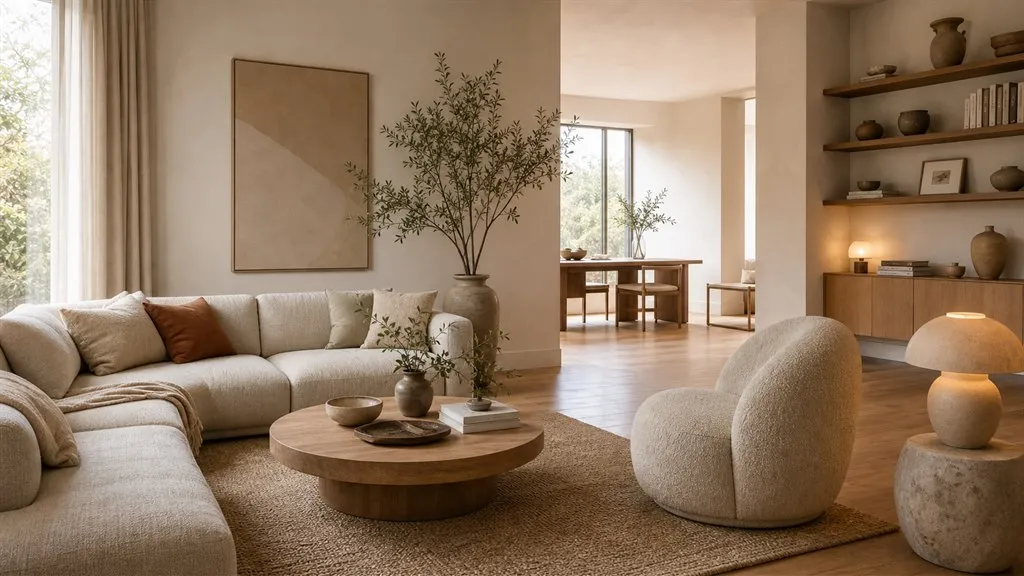
The best home decor style for a modern home is the one that fits the room, the way you live, and the atmosphere you want to maintain. This guide helps you compare style directions before buying, so you can choose a clear starting point without making the space feel copied or overfilled. Use the room’s light, architecture, materials, and daily routines as your decision criteria.
How to choose a home decor style
Before choosing a style name, look at the room itself. The architecture, natural light, ceiling height, flooring, windows, and storage all influence what will work. A bright open-plan home can carry softer minimal styles beautifully. A smaller apartment may need lighter furniture, better storage, and fewer visual distractions. A room with older details can handle rustic farmhouse, transitional, or vintage-inspired pieces more naturally.
The best home decor style for a modern home is not always the trendiest one. It is the style that fits your space, your habits, your budget, and the feeling you want to create every day. A modern home can be minimal, warm, rustic, colorful, elegant, or layered, as long as the choices feel intentional.
This guide helps you compare the most useful home decor styles for modern homes, understand what each style is good for, and choose a direction without making the room feel copied from a showroom. Think of it as a practical style map, not a strict rulebook.
A good style choice should answer three questions: how do you want the home to feel, how do you actually live, and what pieces do you already own? When these answers line up, decorating becomes easier and shopping becomes more focused.
-
Choose a main mood first: calm, cozy, elegant, creative, natural, or bold.
-
Pick one dominant style and one secondary influence instead of mixing everything.
-
Repeat colors and materials across the room so the space feels connected.
-
Leave room for personal objects, art, books, and pieces collected over time.
Modern minimalist style
Modern minimalist decor is built around simplicity, open space, clean furniture lines, and a controlled palette. It works well for people who want a home that feels calm, organized, and visually light. The best minimalist rooms are not empty; they are edited. Every object has a reason to be there.
To keep minimalism from feeling cold, use warm neutrals, textured rugs, linen curtains, wood furniture, ceramic accents, and soft lighting. The goal is not to remove personality. The goal is to remove noise so the strongest details can breathe.
Best for
-
Small apartments that need visual calm.
-
Open-plan homes where clutter can spread quickly.
-
People who prefer easy cleaning and simple routines.
Warm minimalist style
Warm minimalism softens classic minimal decor with beige, cream, taupe, oak, boucle, wool, clay, and natural stone. It is one of the easiest styles to live with because it feels modern without becoming stark. The room stays simple, but the materials make it welcoming.
This style works especially well in living rooms and bedrooms where comfort matters. Choose rounded furniture, soft upholstery, warm white walls, and a few sculptural objects. Instead of adding many colors, add texture.
Scandinavian style
Scandinavian home decor focuses on brightness, practicality, comfort, and simple beauty. It often uses pale woods, soft whites, muted colors, natural light, woven textures, and functional furniture. The result is relaxed but still clean.
This style is strong for open-plan spaces because it keeps the whole home coherent without looking heavy.
Organic modern style
Organic modern decor combines clean modern shapes with natural materials. It uses stone, wood, linen, clay, rattan, plaster-like walls, handmade ceramics, and curved silhouettes. It is a strong choice if you like modern rooms but want them to feel grounded and relaxed.
The secret is contrast. Pair smooth surfaces with rougher textures, straight architecture with rounded furniture, and pale colors with deeper wood or stone tones. Keep the palette quiet so the materials become the decoration.
Transitional style
Transitional decor mixes traditional comfort with modern restraint. It is useful for homes where you want a timeless look without going fully classic or fully contemporary. You might use a simple sofa, a traditional rug, clean-lined tables, warm lamps, and framed art together.
This style works because it avoids extremes. It is polished but not stiff, comfortable but not messy, and modern without feeling trendy. For many family homes, transitional decor is one of the safest long-term choices.
Rustic farmhouse style
Rustic farmhouse decor uses wood, worn textures, soft upholstery, vintage-inspired pieces, woven baskets, warm whites, and cozy lighting. It works best when it feels natural rather than overly themed. The modern version is quieter than old farmhouse decor: fewer signs, fewer distressed objects, and better materials.
If your goal is warmth and comfort this direction can be beautiful.
Natural boho style
Natural boho decor is relaxed, creative, and layered. It often uses rattan, cane, jute, linen, plants, low furniture, patterned pillows, warm woods, and handmade details. It is a good fit for people who want a home that feels personal rather than perfectly matched.
The modern version of boho works best when the base is calm. Use a neutral foundation then add texture, plants, wall art, and a few stronger patterns.
Quiet luxury style
Quiet luxury is about restraint, quality, and calm elegance. It avoids loud branding and obvious decoration. Instead, it relies on good proportions, beautiful materials, soft contrast, tailored upholstery, stone, wood, brass, wool, and carefully chosen lighting.
This style is not only for expensive homes. You can use the idea on a realistic budget by buying fewer items, choosing better textures, and keeping the palette controlled. A simple room with one excellent lamp, a good rug, and well-scaled furniture can feel more refined than a room full of small decor.
Neo deco style
Neo deco takes inspiration from Art Deco but makes it softer and more modern. It uses curves, symmetry, statement lighting, velvet, brass, dark wood, marble-like surfaces, arches, and geometric details. It is a good choice for people who want glamour without making the home feel theatrical.
Use neo deco carefully. One curved sofa, one sculptural lamp, or one elegant mirror may be enough. If every piece is dramatic, the room can lose balance.
Terracotta and earthy modern style
Earthy modern decor uses terracotta, clay, olive, sand, warm beige, rust, and natural wood. It feels grounded, expressive, and comfortable. This style is especially strong when you want warmth but do not want a traditional farmhouse look.
A terracotta wall, clay-colored textiles, or warm ceramic accents can change the mood of a room quickly.
How to mix two styles without making a mess
Most modern homes look better when they mix two related styles. The trick is to choose one main style for 70 to 80 percent of the room and one secondary style for accents. For example, you can build a warm minimalist room and add organic modern materials. Or you can start with Scandinavian simplicity and add quiet luxury lighting.
Choose your style before you shop
A style only works when the room also functions well.
Color is usually what makes a style feel calm, warm, dramatic, or unfinished.
Smart shopping path for each style
For future buying guide articles, the best shopping path is to match product type with style intent. Do not buy random decor first. Start with the pieces that define the room: sofa, rug, lighting, storage, curtains, and one or two statement accents.
-
For minimalist rooms, buy storage, lighting, and better textiles first.
-
For boho rooms, start with rugs, plants, woven accents, and layered bedding.
-
For quiet luxury rooms, prioritize lighting, fabric quality, and fewer larger pieces.
-
For farmhouse rooms, choose wood, comfortable seating, warm lamps, and natural textiles.
-
For neo deco rooms, use one or two statement pieces, then keep the rest controlled.
Final recommendation
The best home decor style for a modern home is the one you can repeat, maintain, and enjoy every day. If you want calm, start with warm minimalism or Scandinavian style. If you want personality, try natural boho or earthy modern. If you want elegance, consider transitional, quiet luxury, or a small touch of neo deco.
Choose the feeling first, then the style, then the palette, then the furniture. That order keeps the room coherent and makes every purchase more intentional.
Related guides

Decor Accents
Calm room decor ideas: how to quiet a busy room with accents
Calm room decor ideas that quiet a busy room: fewer, heavier accents, matte texture, soft light, softer sound, and a clear edit list for every surface.

Room Decor Ideas
How to choose paint colors for your home: a whole-house plan
How to choose paint colors for your home in order: light, fixed finishes, one whole-house palette, 60-30-10, connecting rooms, sheen, and testing.
Decor Accents
Live edge desk ideas: how to style a natural wood desk
Live edge desk ideas for styling the surface: lamp and task light, materials that suit the wood, hiding cables, the wall above, and simple care.