
Room Decor Ideas
Functional home decor: a room-by-room plan for a home that works
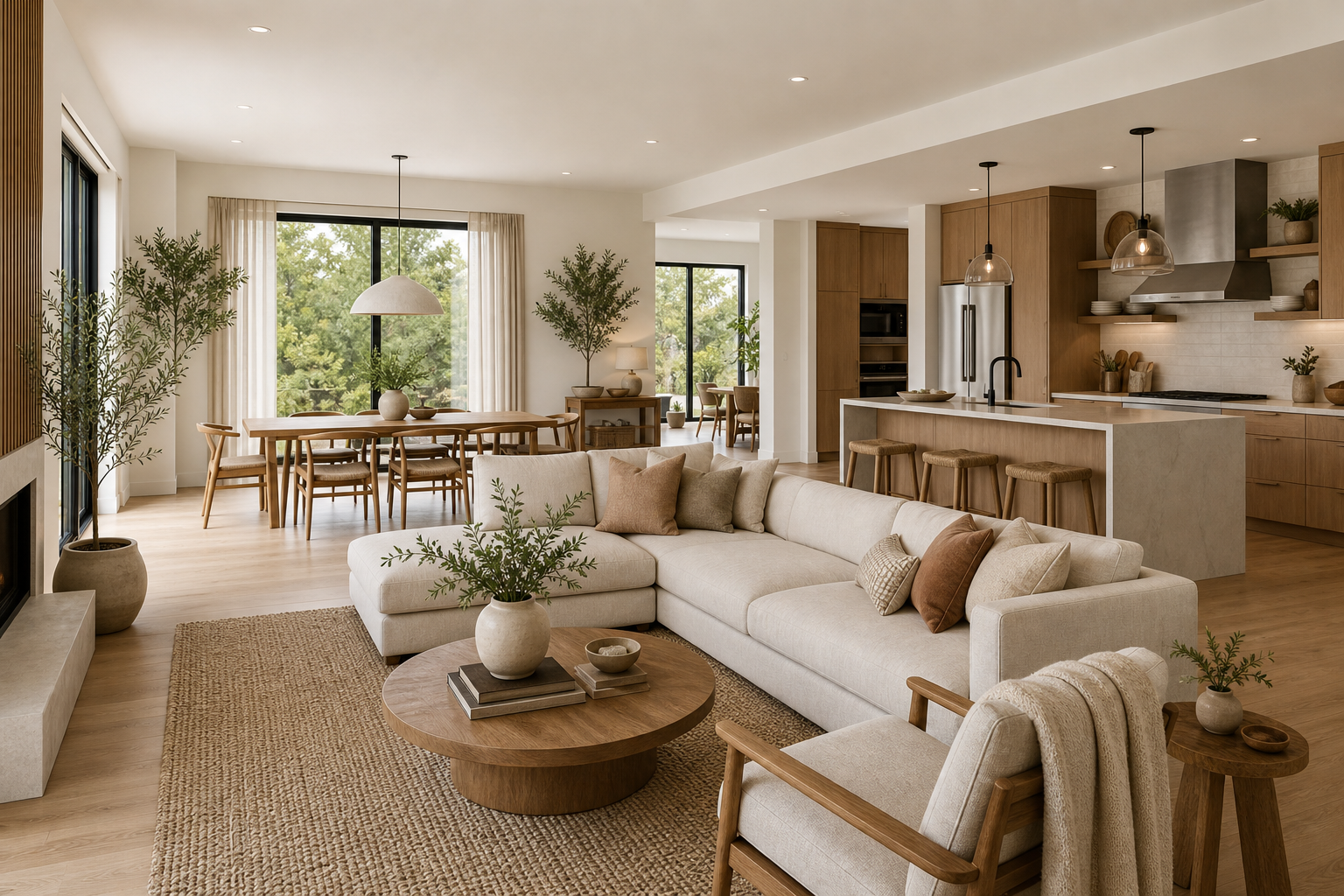
Functional home decor means a home where the furniture, storage, and lighting are arranged around how the household actually lives. It is not a style. A farmhouse, a modern ranch, and a brick bungalow can all be functional, or not. The difference is whether the daily routines run smoothly or keep bumping into the furniture.
This guide is a plan, not a shopping list. It starts with the routes people take through the house every day, sets up zones, puts storage where things are used, and makes lighting easy to control. It ends with smart home decor ideas that keep technology useful and out of sight. It is written for family houses, like the split-levels and suburban builds common across the Midwest, where one room often does several jobs.
Start with how the room needs to work.
Functional home decor: what is a functional home?
A functional home is one where the things you do every day take the fewest steps and the least effort. Coats have a place by the door. Remotes and chargers have a place by the sofa. The walking paths stay clear. The lights you need are easy to reach.
You can usually tell a home is not functional by its symptoms:
- Piles that form in the same spot every week, such as mail on the counter or shoes in the entry.
- Furniture people walk around rather than past.
- Rooms that are dark in the evening because the only light is on the ceiling.
- Cords and devices spread across every surface.
Each symptom points to a missing decision: a path, a zone, a storage spot, or a light. Fix the decision, and the symptom goes away.
Step 1: Map the daily routes
Walk through an ordinary weekday and note where people go.
- Front or garage door to the kitchen, with bags, keys, and shoes.
- Kitchen to the table and back.
- Bedrooms to the bathroom in the morning.
- Living room to the kitchen in the evening.
Each route should have about 36 inches of clear floor, and 30 inches as a minimum where furniture has to sit close. Move anything that blocks a daily route, even if it looks good there. A beautiful chair in the wrong place is the opposite of functional home decor.
Step 2: Create zones instead of random placement
A zone is an area with one job and everything that job needs. Most living rooms and family rooms have three or four.
- Conversation and TV zone: seating within about 8 feet, a coffee table 14 to 18 inches from the sofa, and a lamp beside each seat.
- Reading zone: one comfortable chair, a floor lamp, and a small table.
- Work or homework zone: a table or desk, a task light, and storage for papers.
- Drop zone: near the entry, with hooks, a bench, and a tray for keys.
Use rugs, lighting, and the backs of furniture to mark where one zone ends and the next begins. Zones keep a busy room from turning into one large, undefined space.
Step 3: Put storage at the point of use
Storage only works if it sits where the item is used. A closet down the hall will not stop shoes from piling up by the door.
- Entry: hooks at adult and child heights, a bench with baskets underneath, and a small shelf or tray for keys.
- Living room: a closed cabinet near the TV for remotes and cords, and a basket near the sofa for throws.
- Kitchen: a single spot for mail and school papers, away from the main counter.
- Bedrooms: a hamper where clothes come off, and a hook for the next day's outfit.
Fill drawers and bins to about 80 percent so they close easily and stay in use. Anchor tall bookcases and cabinets to studs or rated anchors, especially in homes with children.
Step 4: Use lighting as a practical tool
Lighting is one of the most functional parts of a home, and the most often overlooked.
- Layers: in the living room, at least three sources besides the ceiling light, at three heights.
- Warmth: 2700K bulbs in lamps in living rooms and bedrooms; 3500 to 4000K only for task zones such as desks and kitchen counters.
- Reach: a light switch or a lamp within reach of the entry to every room.
Plug-in wall lights and lamps work well for renters. Check the lease before drilling, and leave any hardwired work to a licensed electrician.
Choose furniture that fits its job
Functional furniture is not a special category. It is any piece whose size, height, and storage match the job it has to do.
- Coffee table: about two-thirds the length of the sofa, with the top at seat height or 1 to 2 inches lower, so cups and books are easy to reach.
- Side tables: within about 2 inches of the sofa or chair arm height.
- Entry bench: low enough to sit on while putting on shoes, with space for baskets underneath.
- Media cabinet: closed doors for cables and devices, and a back opening for cords.
- Ottomans and benches with lids: useful seating that also holds throws or toys.
Before buying, ask what job the piece does, where it will sit, and what it will hold. A piece that answers all three is functional; a piece that answers none is decoration.
Smart home decor ideas that hide the technology
Smart devices can make a home more functional, but only if they do not add clutter. The goal is technology you use without seeing.
- Smart plugs on lamps: turn on the living room lamps with one switch or a schedule, so the room is lit before anyone gets home.
- One charging station: a drawer or a box with a power strip inside, near the kitchen or the entry, so phones and tablets stop collecting on every surface.
- Speakers and hubs on shelves: place them among books or in a cabinet with an open back, not alone on a side table.
- Cords along baseboards: route them behind furniture and use cord covers painted to match the wall.
- Video doorbells and sensors: follow the maker's instructions and the lease or HOA rules before mounting anything outside.
Keep the number of devices small. A few that solve real problems are more useful than many that need updating.
Step 5: Plan room by room
With the routes, zones, storage, and lighting set, look at each room in turn and ask what it needs to work better.
- Living room: clear path, comfortable seating group, lamps, closed storage for media.
- Kitchen: clear prep space of at least 24 inches, a spot for mail, a charging drawer.
- Dining area: at least 36 inches between the table and the wall, and 42 to 48 inches where people walk behind seated guests.
- Bedrooms: about 30 inches along each side of the bed you walk, a lamp on each side, a hamper.
- Entry: hooks, a bench, a tray, and a light near the door.
Upgrade one room at a time. Live with it for a week before you buy more, so each change solves a real problem.
Common functional decor mistakes
- Buying storage before deciding where things are used.
- Pushing all furniture against the walls and leaving the middle empty and unusable.
- Relying on one ceiling light per room.
- Adding devices without a plan for their cords and chargers.
- Choosing pieces for looks only, such as a coffee table too low to use or a chair nobody sits in.
A 30-minute functional reset
Once a week, walk the main routes and reset the house.
- Clear the drop zone and return items to their homes.
- Put remotes, chargers, and devices back in their spots.
- Check that every path is clear.
- Turn on the evening lights and replace any burned-out bulbs.
For more on planning a living room around how it is used, from seating and lighting to storage and color, the guide to modern living room ideas shows how these steps fit into one room plan.
Frequently asked questions
What is functional home decor?
Functional home decor is furniture, storage, and lighting arranged around how a household lives: clear daily routes, zones with one job each, storage where things are used, and lighting that is easy to control.
What are good smart home decor ideas?
Smart plugs on lamps, one charging drawer, speakers and hubs placed among books or in cabinets, and cords routed along baseboards keep technology useful without adding clutter.
What is functional furniture?
Functional furniture is furniture that fits its job and its space: a coffee table at the right height, a bench with storage at the entry, or a cabinet that hides media equipment.
Where should you start making a home more functional?
Start with the entry and the living room, since they handle the most daily traffic. Clear the routes, add a drop zone, and give remotes and chargers a home.
Related guides
Room Decor Ideas
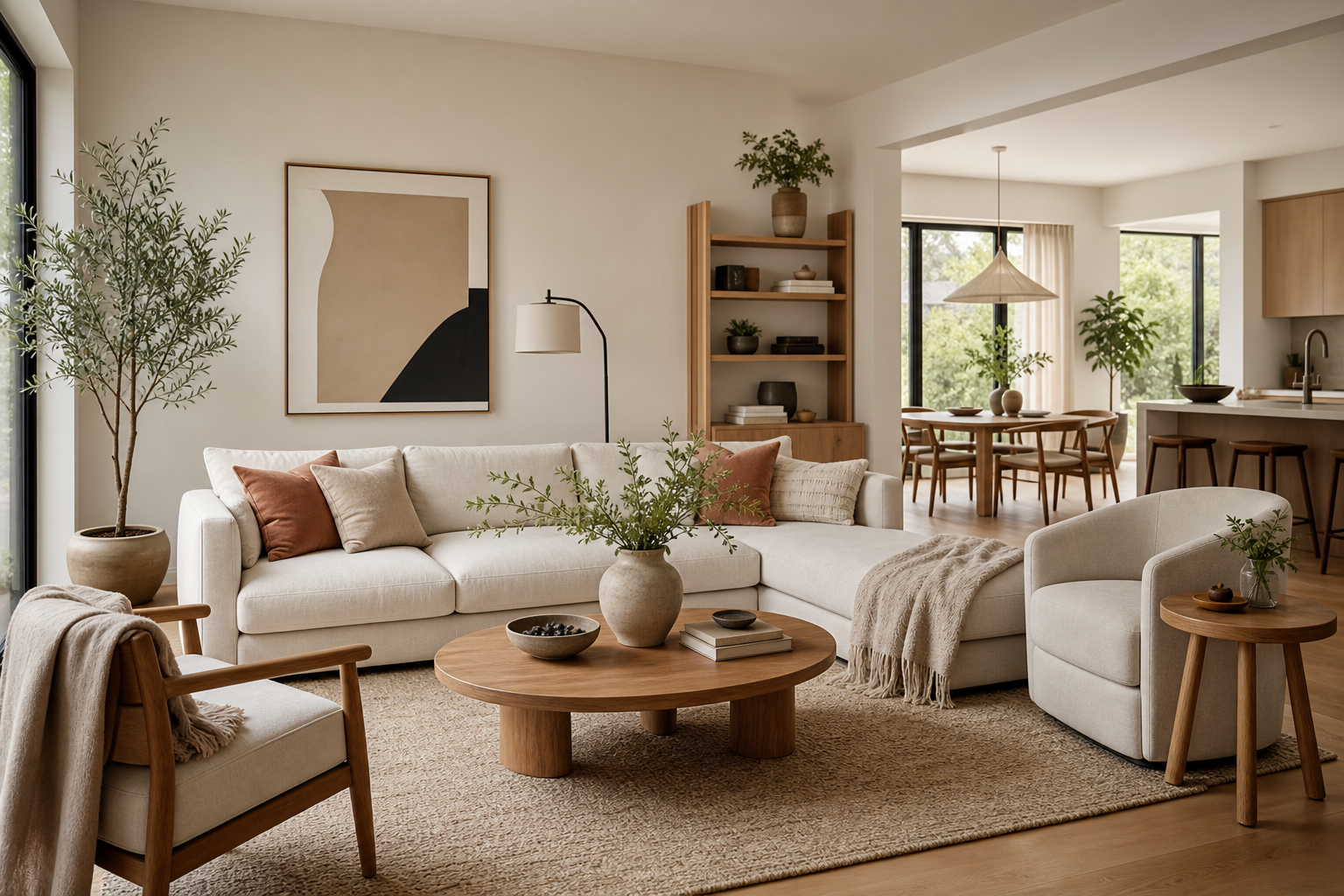
Modern Living Room Ideas Practical Guide for a Stylish Home
A practical guide to modern living room ideas with layout furniture lighting colors and decor choices for a stylish home
Room Decor Ideas
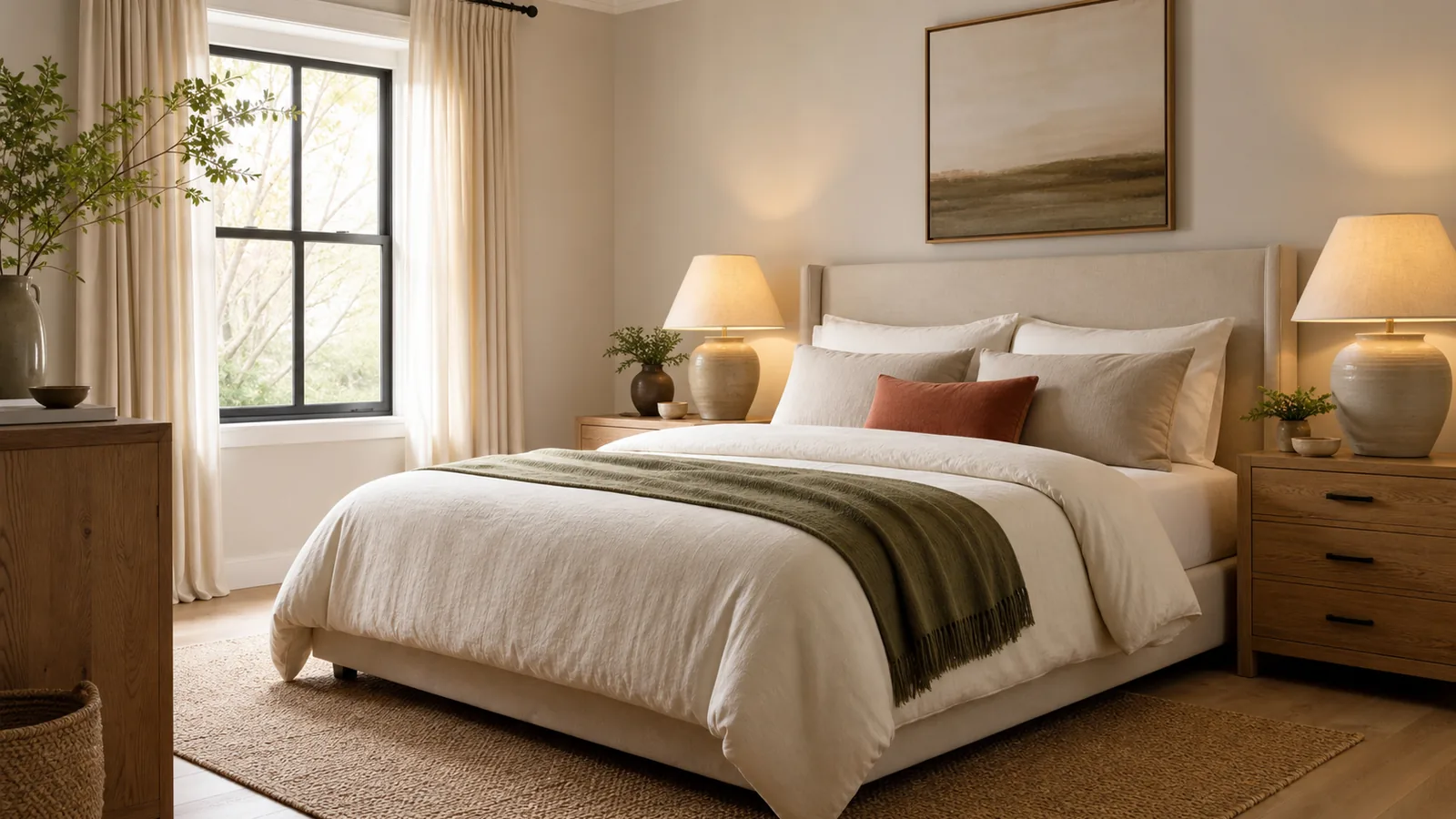
Bedroom color ideas: calm palettes and how to test them
Bedroom color ideas for a calm room: one main color, warm neutrals and soft greens or blues, real paint examples and a simple way to test samples.
Room Decor Ideas
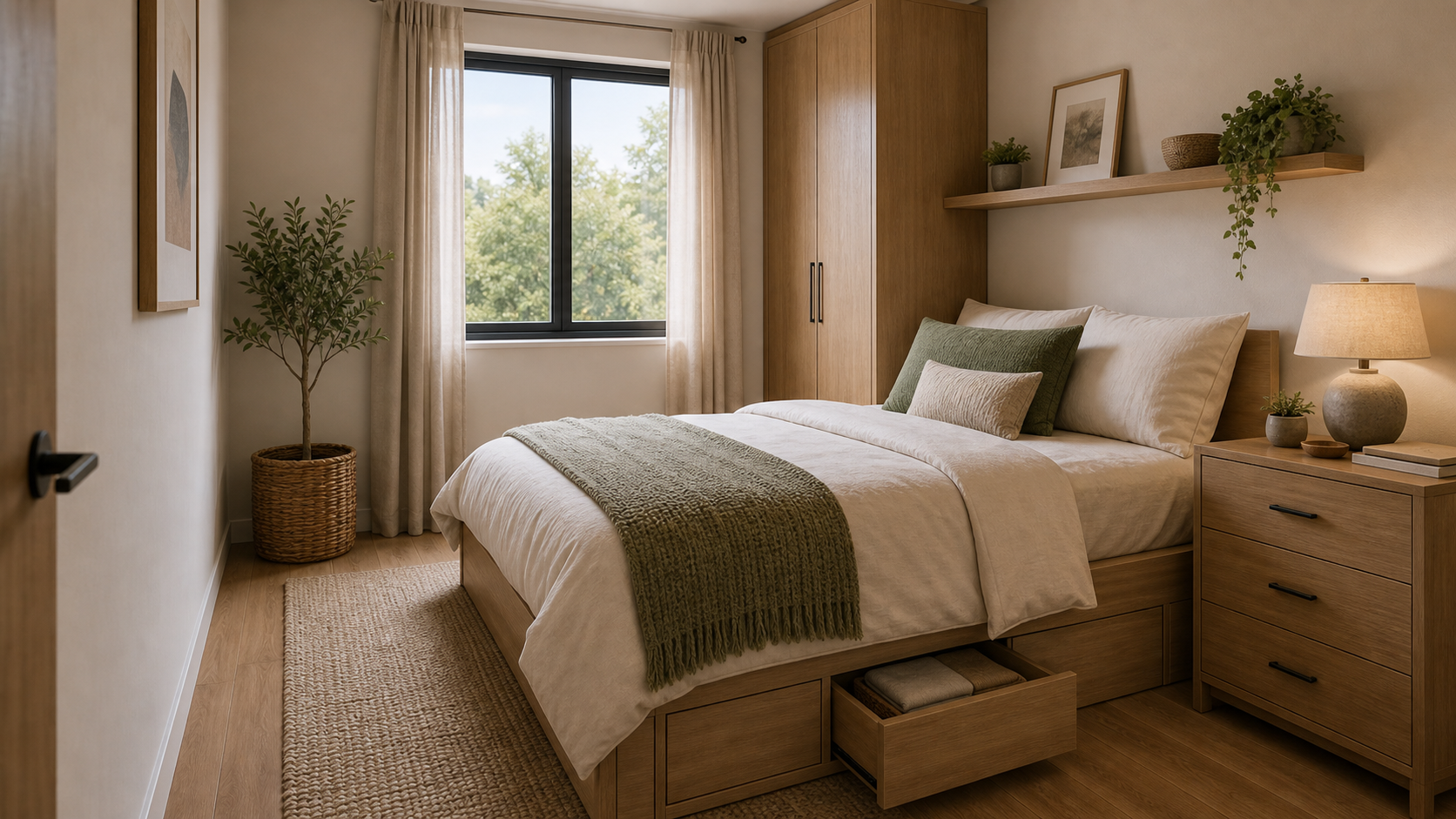
Bedroom storage ideas: closet, dresser and under-bed storage that stay tidy
Bedroom storage ideas in order: closet first, then the dresser and under-bed storage, with closet clearances, lidded boxes and safe dresser anchoring.