
Decor Accents
Modern bedding ideas: how to layer bedding for a calm, finished bed

The best modern bedding ideas are about layers, not looks. A bed that feels finished has a clear base, one or two layers of warmth, a few pillows with a purpose, and a single textured piece that ties it to the room. A bed that looks staged has too many of everything and is hard to sleep in.
This guide works from the mattress up. It shows how to layer bedding so it looks considered and still works at night: sheets, the main cover, the middle layer, pillows, and the throw. Then it covers color, fabric, the seasons, and the small edits that make a made bed look calm.
Start with the sheets. Finish with one throw.
Start with what the bedroom already has
Before buying anything, look at the room around the bed. The bedding is the largest soft surface in the room, so it should belong to what is already there.
- The headboard and frame: wood, upholstered, metal, or none at all.
- The walls and floor: warm white, pale gray, deep green; oak, walnut, painted boards, or carpet.
- The curtains and rug: their colors and textures are the easiest to repeat on the bed.
- The light: a north-facing room reads cooler, so warm whites and oatmeal tones help; a sunny room can take crisper whites.
In older bedrooms with low windows and sloped ceilings, like many New England capes, softer, lower layers look more natural than tall stacks of pillows.
How to layer bedding, from sheets to throw
A well-made modern bed usually has five layers. Not every bed needs all of them, but knowing the order makes it easy to build.
- Fitted and flat sheets: the base. Crisp cotton percale, sateen, or washed linen.
- The main cover: a duvet in a cover, or a comforter. This is the largest visible surface.
- The middle layer: a quilt or coverlet, folded across the lower third of the bed or laid flat under the duvet.
- Pillows: sleeping pillows first, then one or two larger decorative ones, then a single accent.
- The throw: one textured piece across the foot of the bed or over a corner.
Each layer should do something: keep you warm, make the bed easier to make, or add texture. If a layer does none of these, it is optional.
How to layer bedding like a designer
What makes a designer bed look different from an ordinary one is usually restraint and variation in texture, not expensive pieces.
- Fold, do not pile: fold the duvet back by about a third and lay the quilt below it. You see three textures in one glance.
- Vary the weave: smooth percale sheets, a washed linen duvet, a nubby cotton quilt, and a wool throw.
- Keep the edges straight: tuck the flat sheet and the quilt, and let the duvet fall evenly on both sides.
- Leave space at the head: pillows should sit against the headboard without hiding it completely.
Repeat materials, not matching sets. A bed-in-a-bag set with matching shams, skirt, and pillows reads flat. Two or three related pieces chosen separately look collected and calm.
How to layer bedding colors
A calm bed uses one color story, usually two or three close tones plus one deeper accent.
- Warm neutrals: white sheets, an oatmeal duvet, a camel quilt, and a chocolate throw.
- Soft greens: white sheets, a sage quilt, a cream duvet, and an olive throw.
- Blues and grays: white sheets, a pale gray duvet, a slate quilt, and a denim throw.
Keep the lightest color nearest the sleeper and the darkest at the foot of the bed. The eye reads the bed from the foot up, so a deeper tone at the end grounds it. Pattern works best on one layer only, usually the quilt or a single pillow.
Choose fabrics by season and by sleeper
The right fabric depends on who sleeps in the bed and when.
- Cotton percale: crisp, cool, and breathable. Good for warm sleepers and summer.
- Cotton sateen: smooth and a little warmer, with a soft sheen.
- Linen: relaxed, textured, and very breathable. It softens with every wash and looks best slightly rumpled.
- Flannel and brushed cotton: warm and soft for cold winters.
- Wool and cotton blankets: warm without the weight of a heavy comforter.
For layering bedding for summer, drop the comforter, keep the sheets and a light quilt, and fold a thin cotton blanket at the foot. In winter, bring back the duvet and add a wool throw. The pillows and colors can stay the same all year.
How many pillows a modern bed needs
Pillows are where most beds go wrong. Too many make the bed look staged and end up on the floor every night.
- Sleeping pillows: two per person.
- Decorative pillows: up to two large ones (Euro shams or standard shams) against the headboard.
- Accent pillow: one, usually a lumbar or a small square, in the deepest color or the only pattern.
In a small bedroom, use fewer: sleeping pillows and one accent is enough. Fill the covers well; flat, empty corners make the bed look tired.
Modern bedding ideas for different bedrooms
The same layers adapt to the room and the people in it.
- The main bedroom: the full five layers, with a quilt folded at the foot and two large shams against the headboard. This is the bed you see most, so it earns the most texture.
- A guest room: fewer layers and easy-care fabrics. Crisp cotton sheets, a washable duvet, and one throw guests can pull over themselves. Leave an extra blanket folded in plain sight so no one has to ask.
- A small bedroom: drop the decorative shams and keep the sleeping pillows and one accent. A lighter duvet and a single textured throw keep the bed from filling the room.
- Two different sleepers: use one shared top layer for the look, and let each side have its own blanket underneath. A warm sleeper can fold theirs back without disturbing the bed.
- A bed against a wall: layer the open side and keep the wall side simple, since nobody sees it.
In every case, the rule of one color story and varied textures stays the same. Only the number of layers changes.
Bring the bed into the room
A bed looks finished when it connects to what surrounds it.
- Nightstands: a lamp, a small dish, and a book, with the top within about 2 inches of the mattress height.
- Lamps: fabric or paper shades and warm 2700K bulbs make the bedding look softer at night.
- The rug: for a queen bed, an 8 x 10 foot rug under the lower two-thirds of the bed, with 18 to 24 inches showing on each side, repeats the bedding's warmth on the floor.
- One repeat: echo the throw's color in a print, a vase, or the curtains.
Then check it in daylight and lamplight. Some whites look clean at noon and gray under a warm lamp; some taupes turn pink. Choose the tone that looks right at bedtime, since that is when you see the bed most.
The edit and the daily make
A modern bed should be quick to make, or it will not stay made.
- Keep the number of layers you can make in two minutes.
- Store extra pillows and blankets in a chest at the foot of the bed or a closet shelf.
- Wash and steam new bedding before using it; package creases look temporary.
- Every season, take one layer away and see if the bed still works.
For more on how textiles, lighting, and wall decor finish a room together, the guide to modern home decor accent ideas shows how the bed fits with the other accents in a home.
Frequently asked questions
How do you style bedding so it looks expensive?
Use fewer, better layers in close colors, vary the textures, fold the duvet back to show a quilt, and keep the pillows to two sleeping pillows per person plus two large ones and one accent.
How do you layer a bed for summer?
Keep the sheets and a light cotton or linen quilt, and fold a thin blanket at the foot. Store the heavy comforter until the weather turns.
What color bedding goes with a modern bedroom?
Choose two or three close tones that repeat the walls, floor, or curtains, plus one deeper accent at the foot of the bed. Warm whites, oatmeal, sage, and slate all work well.
How many layers should a bed have?
Most beds look finished with sheets, one main cover, a middle layer such as a quilt, a few pillows, and one throw. Use fewer in warm months or a small bedroom.
Related guides
Decor Accents
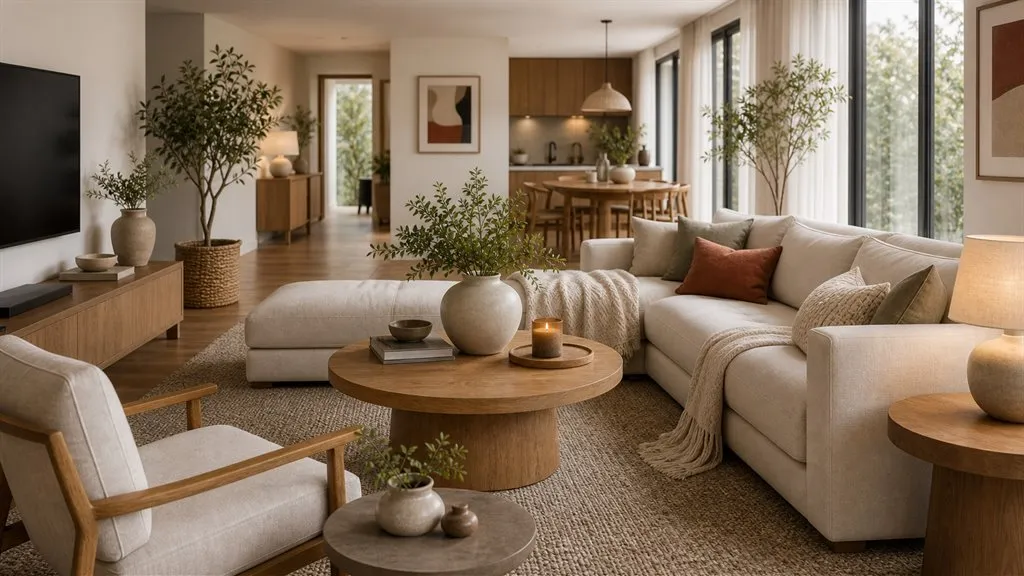
Modern home decor accent ideas a complete guide to styling a warm polished home
Explore modern home decor accent ideas using color, texture, lighting, rugs, trays, and simple styling choices for a warm, polished home that feels practical.

Decor Accents
Neutral fall decor ideas for a living room that does not look themed
Neutral fall decor for the living room: camel, olive, wool, and lamplight instead of orange props. A calm, surface-by-surface guide.
Decor Accents
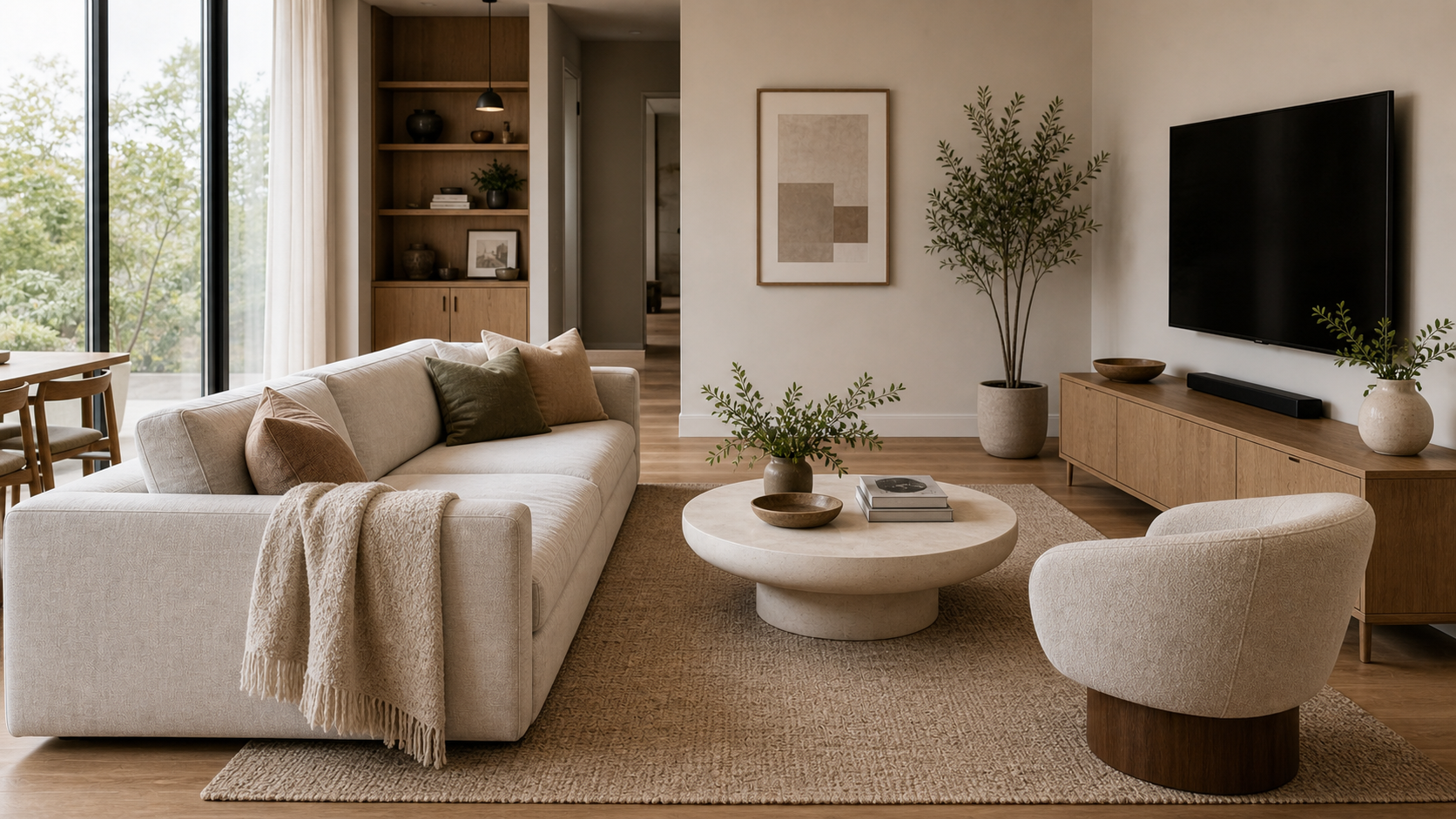
Sofa styling ideas: how to style a sofa and everything around it
Sofa styling ideas for the whole sofa zone: side tables and lamps, the coffee table, the sofa table behind it, the wall above, and the final edit.