
Home Decor Trends
Timeless vs trendy home decor ideas that age well

Understand what timeless really means
Short answer: put the money and permanence into timeless pieces, and let trends live in the layer you can change for a few hundred dollars. The sofa, rug, dining table, lighting, and anything built in should lean calm. Pillows, art, ceramics, and throws can carry what feels current.
That split matters more than any list of what is in or out. A room built entirely on trends tends to date all at once. A room with no current details can feel flat. The goal is a steady base with a small, deliberate layer on top.
Renters have an advantage here, since most of their decor already moves with them. Homeowners should be strictest with trends in tile, cabinet colors, countertops, and built-ins, which are the most expensive things to redo. Before any of those, ask how it will look in five years.
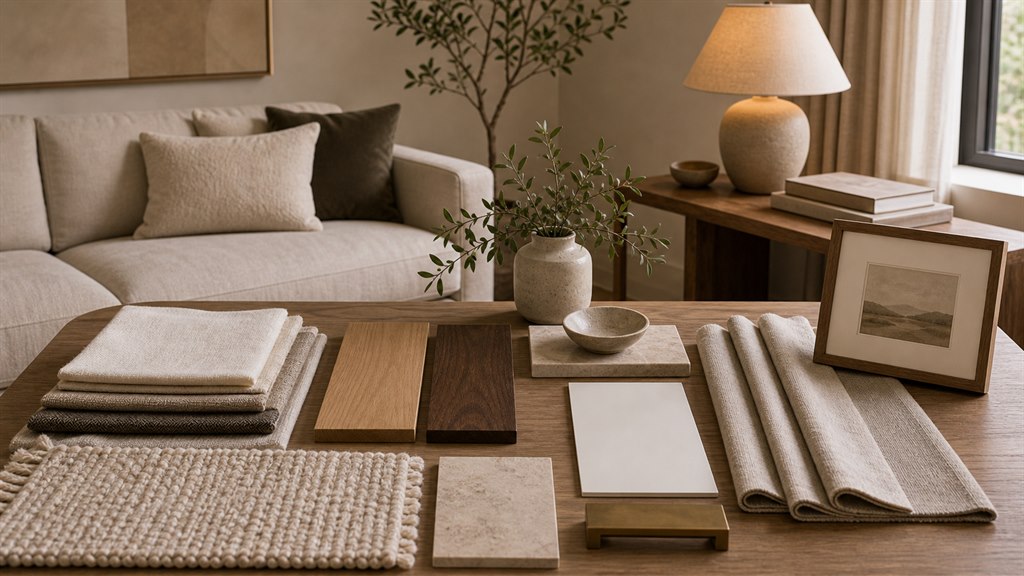
Timeless decor does not mean plain decor. It means the room has pieces that still make sense when a trend changes: a comfortable sofa in a clean shape, a wood table with good proportion, a natural rug with soft texture, a simple curtain, a lamp with a balanced form. These choices do not depend on one season to feel right.
Timeless pieces usually have honest materials, simple lines, and useful scale. Wood, linen, wool, stone, ceramic, leather, metal, and glass can all age well when they are chosen in calm finishes. The shape matters too. A sofa that is too dramatic may feel exciting for a short time, but a simple sofa can carry many different decor moods over the years.
A timeless room also leaves space for life. It does not need to look perfect. It needs to look balanced enough that small changes can happen without breaking the room. This is why the base should feel calm before the accents arrive.
Know where trends belong
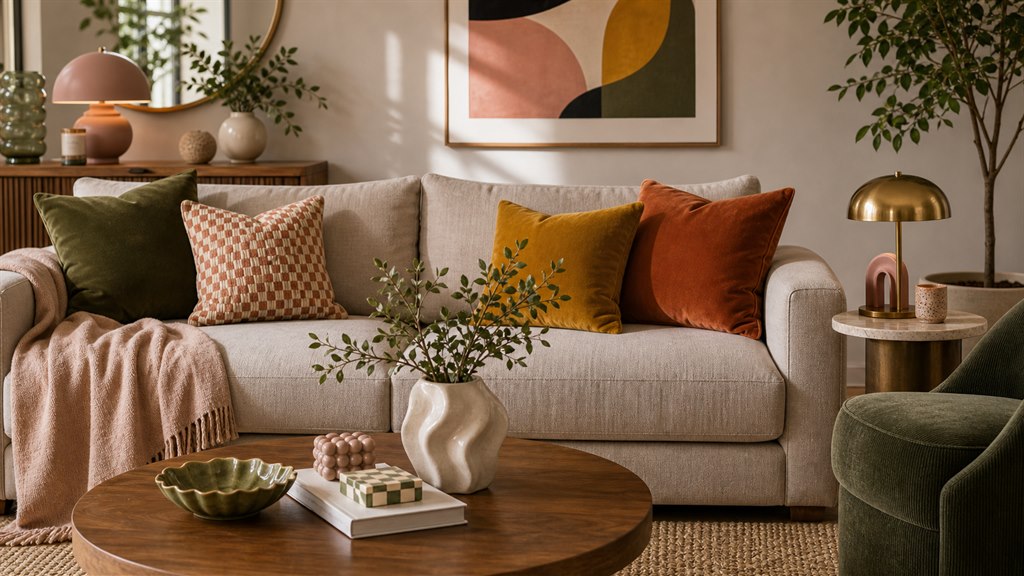
Trends are best used in pieces that are easy to move, replace, or restyle. Pillows, throws, candles, trays, small art, stems, bowls, and table objects can bring trend energy without locking the whole room into one look. These details keep a home feeling current while protecting the bigger investment pieces.
A trend can also help a room feel less serious. A sculptural vase can soften a classic table. A fresh color can wake up neutral upholstery. A textured pillow can bring a new material into a simple room. The trend should add a spark and not take over the full design.
If a trendy piece costs little and can be changed easily, it is usually a safe place to experiment. If it is expensive, heavy, built-in, or hard to replace, it should lean more timeless.
Use the balanced trend method
Sort every decision by how hard it is to undo.
- Keep timeless: anything over a few hundred dollars or attached to the house, such as sofas, rugs larger than 5 by 8 feet, dining tables, flooring, tile, and cabinets.
- Test first: middle-cost pieces like an accent chair, a pendant, or a side table. Live with a sample or a cheaper version before buying the lasting one.
- Try the trend: pieces under about $100 that you can swap in an afternoon, such as pillow covers, a vase, a print, a lampshade, or a throw.
Trends belong in the easy-to-change layer. The sofa, rug, curtains, storage, and main tables stay steady while the small layer changes with season and taste.
Choose a steady base before buying accents
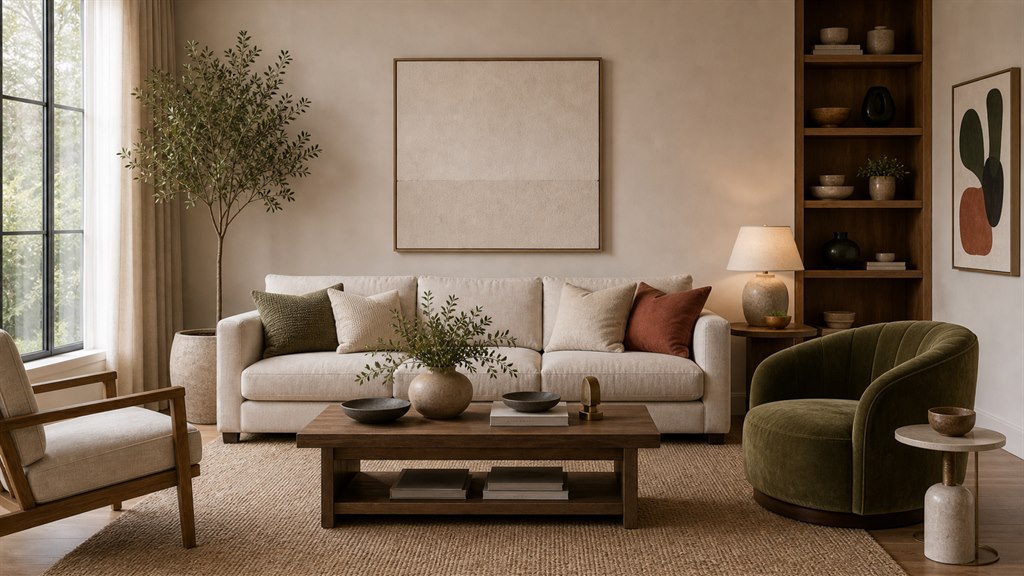
A room needs a base before it needs decoration. Start with the pieces that define comfort and layout: a sofa with good depth, a rug that connects the seating area, a table that fits the room, a curtain that softens the wall, a storage piece that hides daily clutter. When these pieces work, the accents do not need to work so hard.
Neutral does not always mean timeless, but calm color is often easier to keep for a long time. Warm white, cream, beige, taupe, olive, clay, walnut, charcoal, and natural wood can all support different trend layers. The room can feel fresh one year with textured pillows and another year with sculptural ceramics, because the foundation remains steady.
If the base of the room already feels loud, use quieter accents. If the base feels very calm, use one trend detail to bring energy. Balance is the point.
The same idea fits the larger style strategy inside the home decor trends and interior design styles guide, where the main direction comes first and the small styling layer follows after.
Test a trend before committing
Before bringing a trend into a large purchase, test it in a smaller form. If you like a new color, try it in a pillow, art print, or small vase before choosing a sofa. If you like a new material, try it in a tray, lamp, or bowl before buying a dining table. If you like a new shape, try it in a mirror or side table before changing the whole room.
This method protects the budget and keeps the home from feeling dated too quickly. A trend that still feels good after a few months may deserve a stronger place. A trend that feels tiring can leave without changing the whole room.
Look for signs that a piece will age well
A piece usually ages well when it has useful scale, good material, and a quiet shape. It should work with more than one color palette. It should feel comfortable in more than one season. It should be easy to pair with old pieces and new pieces. These are signs that the item has lasting value.
A piece may age badly when it depends on one loud pattern, one very specific color, or one dramatic shape that is hard to repeat. This does not mean you can never choose bold decor. It only means bold decor is safer when it is small enough to move or replace.
Use trends to show personality
Trendy accents are useful because they show that someone lives in the home. A room made only of safe choices can feel distant. A room with a small trend layer can feel alive. Choose one or two pieces that show taste, and keep the rest calm. A handmade vase, a new lamp shape, a patterned cushion, or a framed print can be enough.
Personality should feel edited rather than scattered. Put the strongest accent where the eye naturally lands. Keep supporting pieces quieter. Repeat one color or material so the trend feels connected to the room and not dropped into it by accident.
Refresh without replacing the whole room
A timeless base makes refreshes easy. In spring, use lighter fabrics and fresh greenery. In summer, use airy texture and pale ceramics. In autumn, use deeper wood tones and warmer textiles. In winter, use layered lighting, thicker throws, and richer texture. The room changes, but the main pieces stay useful.
This slow refresh method is better than chasing every new look. It keeps the home current while letting it mature over time. The room becomes more personal because it is shaped by careful choices rather than constant replacement.
Make the final decision with confidence
When choosing between timeless and trendy, ask a simple question: Will this piece still help the room if the trend fades? If the answer is yes, it can take a bigger role. If the answer is no, it should stay small, easy, and flexible. This question keeps the home stylish without making it fragile.
The best homes are not fully timeless and not fully trendy. They are steady enough to age well and fresh enough to feel alive. When the main pieces are calm and the accents carry the trend, the room can change naturally without losing its identity.
Use a spending rule for every room
Spend where the room gets daily wear, and save where it gets attention. Seating, rugs in walkways, and the lighting you use every night earn the bigger share. Pillows, small art, candles, and seasonal pieces get the smaller share.
As an example, if a living room refresh has a $2,000 budget, a new rug and a good floor lamp might take $1,200 to $1,500, leaving a few hundred dollars for pillow covers, a print, and a vase. The next refresh can change that small layer for a fraction of the cost without touching the rug.
For renters, put the larger share into pieces that move with you. For homeowners, the same logic applies to finishes: pay for durable flooring and counters in calm colors, and bring trend color in through paint, which costs far less to redo.
Create a small trend zone
One useful method is to choose a small trend zone in each room. In a living room, this can be the coffee table, shelf, or sofa pillows. In a bedroom, it can be the bedding layer or nightstand. In an entry, it can be the console surface. This gives the trend a place to live without spreading across the whole room.
A trend zone makes editing easier because you know where the change belongs. If the room starts to feel busy, remove from that zone first. If the room feels too safe, add one piece there first. This keeps the rest of the home calm and consistent.
Watch how the room feels over time
Give every new trend piece a trial period. Live with it for about 30 days before adding anything else in the same style.
Then ask three questions. Do you still notice it in a good way? Does it work with at least two other things in the room? Would you buy it again at full price? Two or three yes answers mean it can stay or take a bigger role. One or none means it moves back to the small layer, or leaves.
Over a year, this shows you which trends suit your home and which only looked good in photos.
Frequently asked questions
Which pieces are riskiest to buy on trend?
The expensive, hard-to-change ones: tile, countertops, cabinet colors, built-in shelving, and large upholstered pieces in a very specific color or shape. If a trend appeals to you there, try it somewhere cheaper first.
Is neutral decor always timeless?
Not always. A calm palette is easier to keep, but a neutral room can still date through its shapes and finishes. Look for simple shapes, natural materials, and proportions that fit the room.
How often should I refresh the trend layer?
Once or twice a year is enough for most homes, often with the seasons. Swap a few small pieces at a time and store the rest instead of buying new every season.
Related guides
Home Decor Trends
Interior design styles and home decor trends for 2026
Explore 2026 home decor trends interior design styles colors materials and timeless choices for a stylish modern home

Decor Accents
Wall decor ideas for modern neutral homes
Discover wall decor ideas using art mirrors shelves texture and balanced arrangements for warm modern neutral interiors

Home Decor Trends
Color trends for home decor choosing palettes that age well
Choose home decor color trends wisely with warm neutrals, earthy tones, richer accents, and practical palette rules for rooms that last.